PAVE
Industrial Design Thesis Project at OCAD University
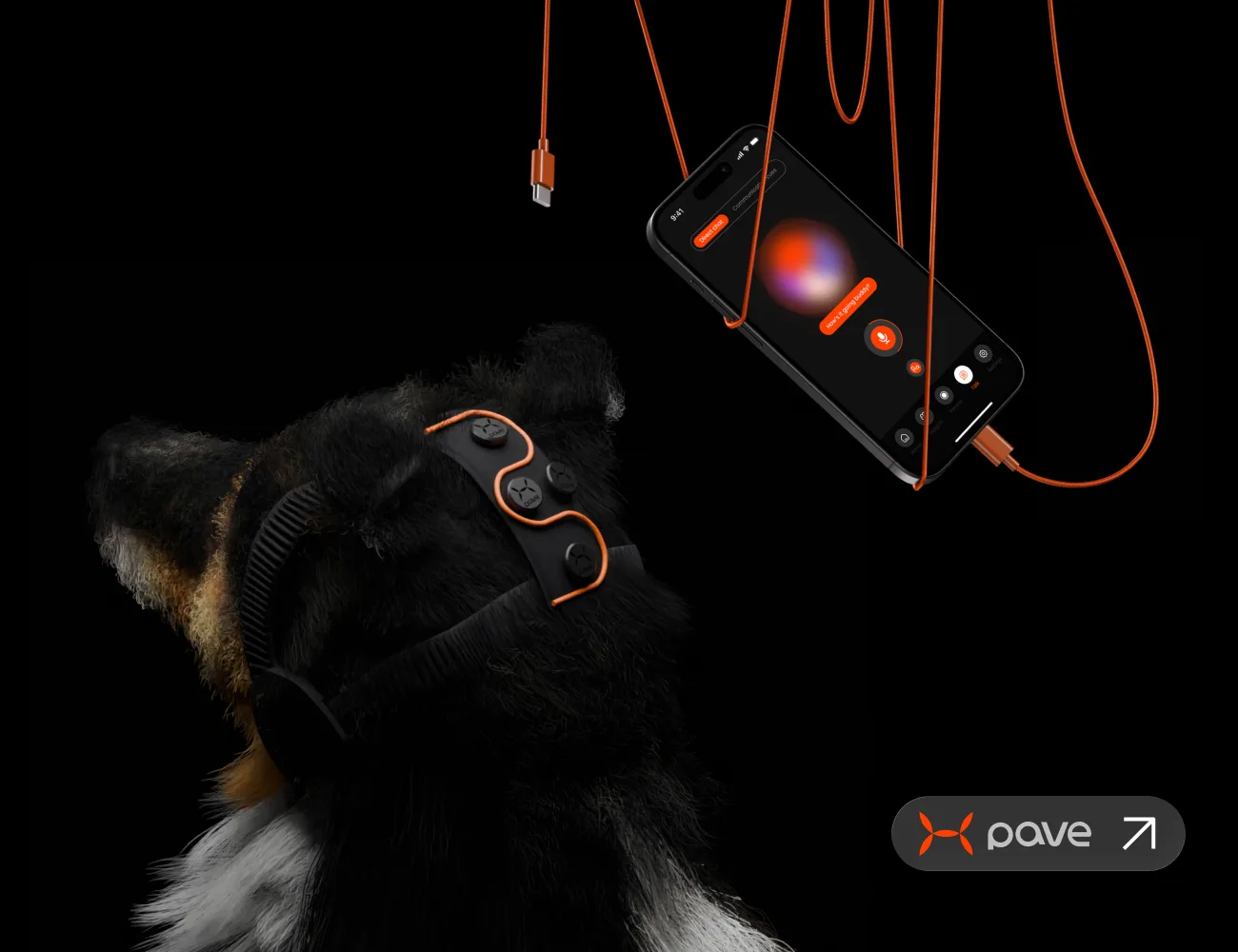
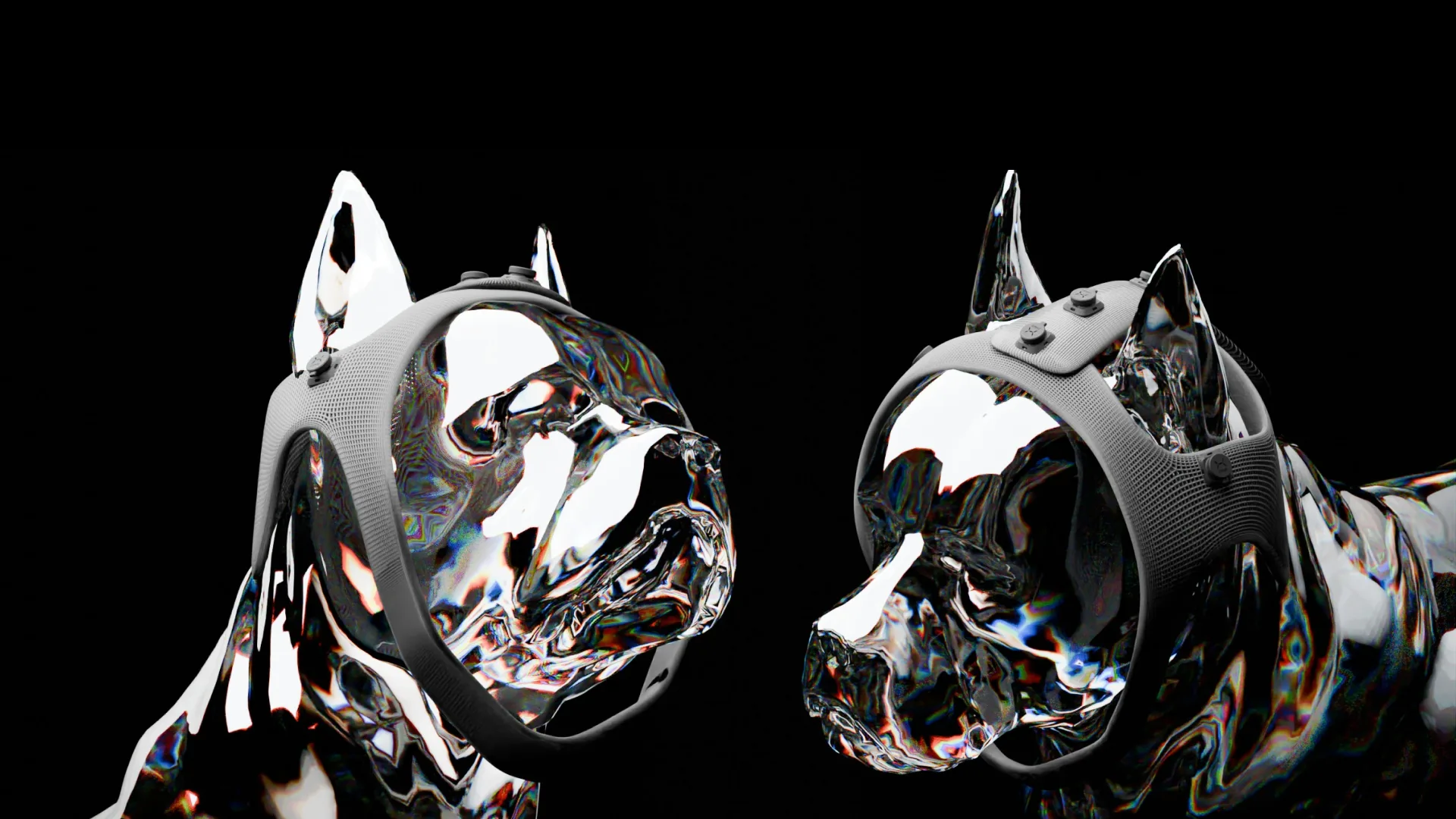
Pave is a revolutionary wearable neurotechnology system that bridges the communication gap between pets and their owners. Pave uses non-invasive EEG technology, AI-driven insights, and neurostimulation to monitor emotional and cognitive states in pets (dogs and cats), allowing owners to take proactive action for their pet’s health and well-being, and talk to their pets!
Background
As our relationship with domesticated animals, particularly pets, evolve, so does the need for deeper emotional connections and understanding. My interest lies in exploring how emerging technologies such as neurotechnology, biometric sensors, machine learning and artificial intelligence can bridge the communication gap between humans and their pets.
By diving deeper into technologies like neural sensors and AI-driven health monitoring, I see the potential to design a solution to improve human communicative relations: a bridge over the current gap of one-way communication between humans and animals, specifically pets.
Problem
We don't communicate with our pets; we interact...
More than 8 million species share our planet, but we only understand the language of one. Pets are the closest species to humans; why? because we feel them and they feel us the most. But we don't communicate with them. Communication includes sending information and receiving back a response, which in any other forms than this, it would be counted as an interaction with no direct understanding.
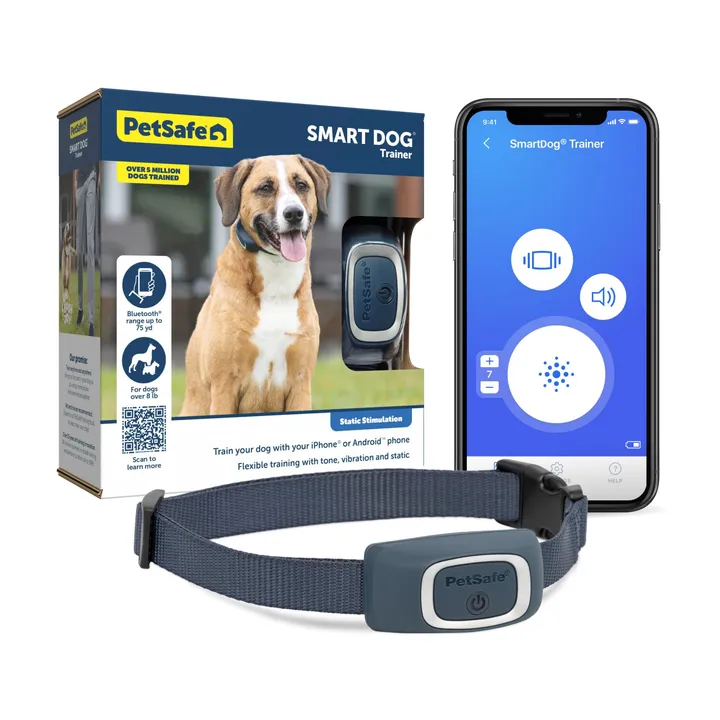
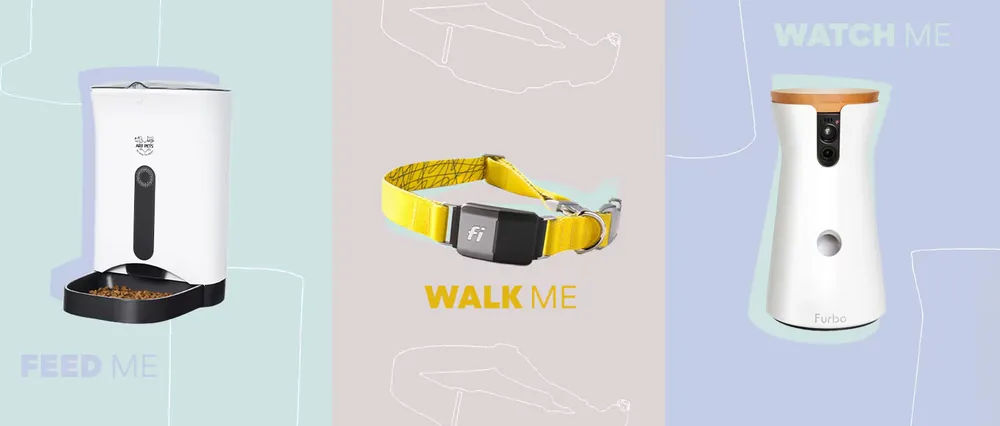
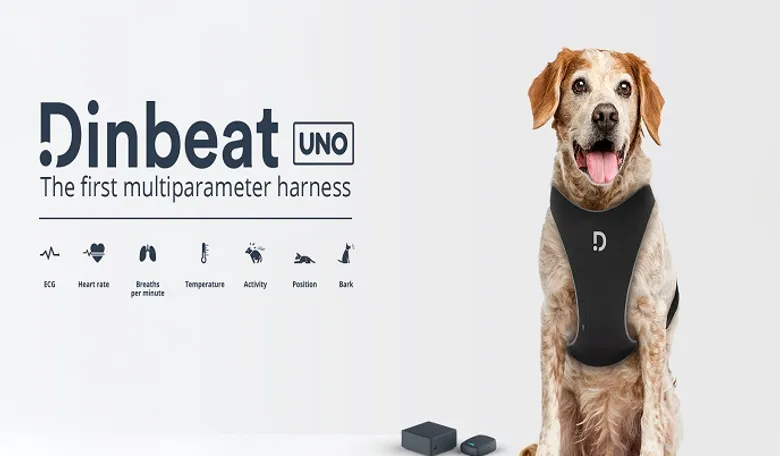
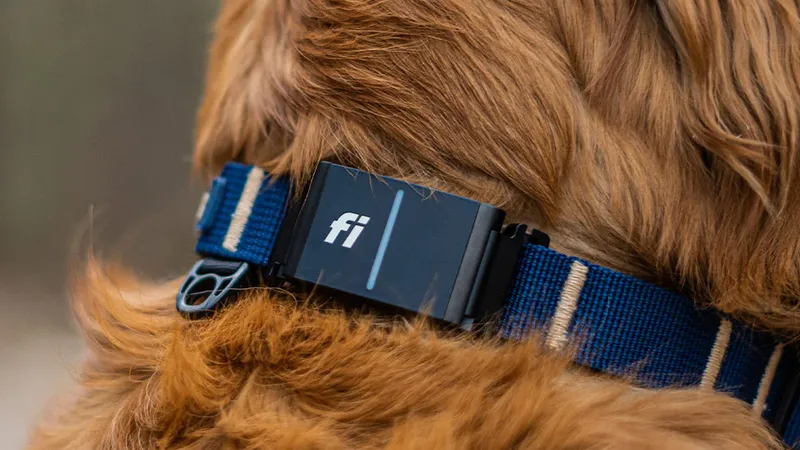
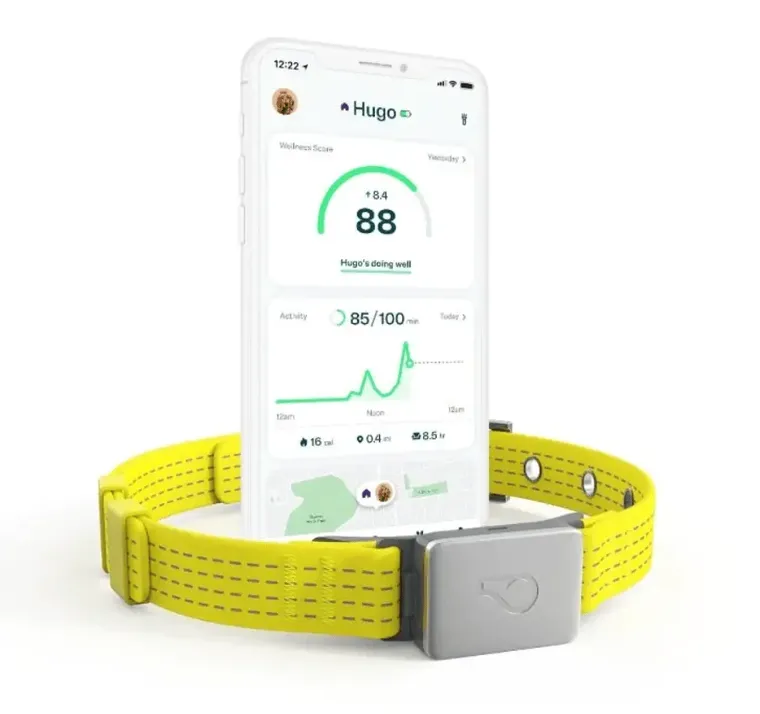
All the current pet wearables in the market focus on GPS tracking or heart rate monitoring mainly.
Nobody really does research for animals for the sake of animal welfare the way you are, specifically for the good of the animal. But a lot of the times when people do recordings of the animals, it's to get a better understanding of them as an animal model to hopefully move whatever treatment they're trying into humans. So, there is definitely up-to-date technology and up-to-date research on how to measure activity from animals, I do not doubt.
Thesis question (HMW)
How might we design emerging technologies to enhance human–pet communication and emotional understanding, while prioritizing ethical integration, accessibility, and the overall well-being of both users and companion animals?
Research
Brain and neuroscience
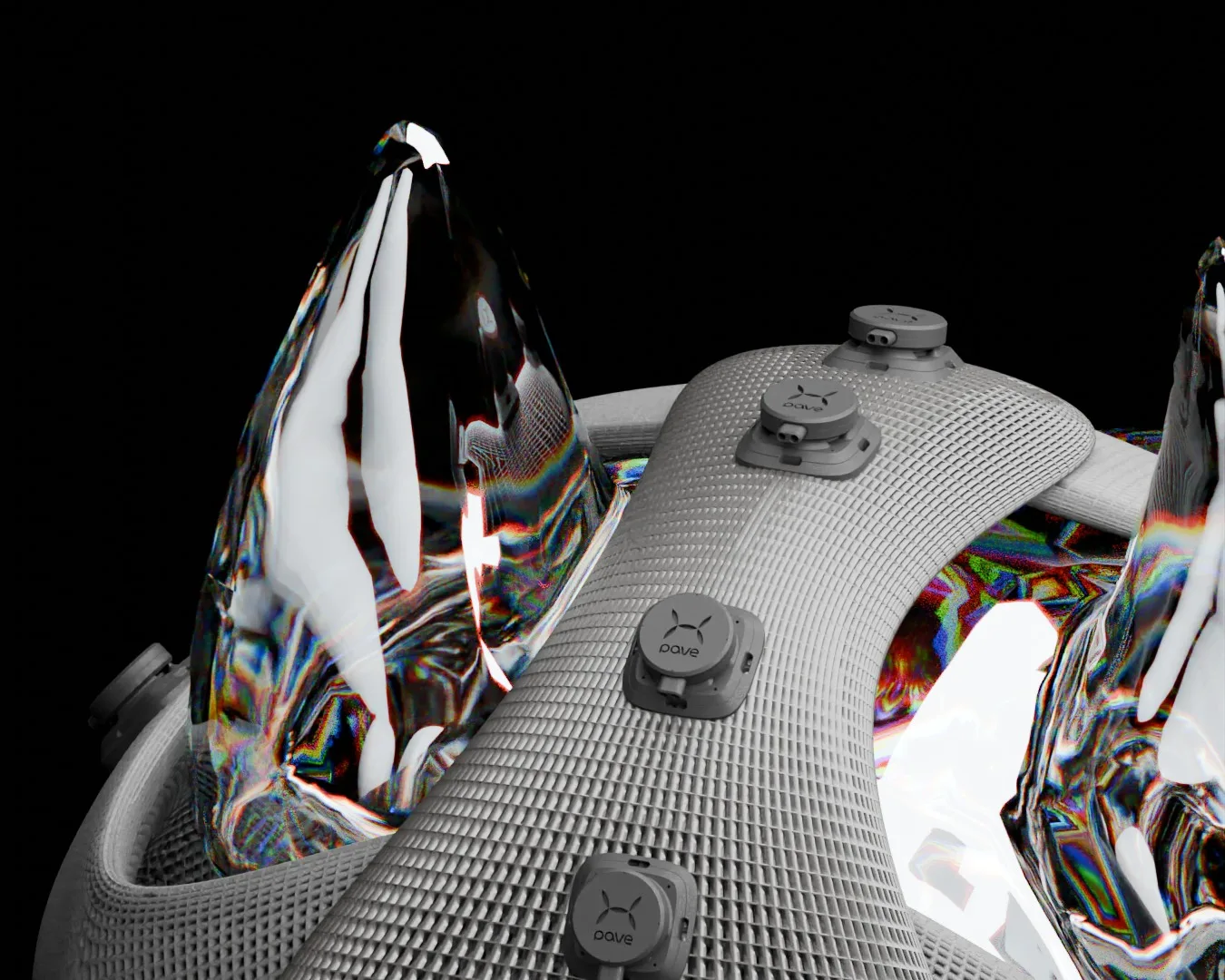
I definitely think that in terms of recording from the brain, your best option would be a portable EEG, unless you want an implant. The way the brain is organized, the regions of the brain, and even the lobes are pretty identical between species, especially when you're talking about mammals like mice, rats, cats, dogs, and humans. So, the size would change, but not the actual technology itself, and the concept is always going to remain the same if you go with EEG, you're going to have the external electrodes attached through some sort of helmet.
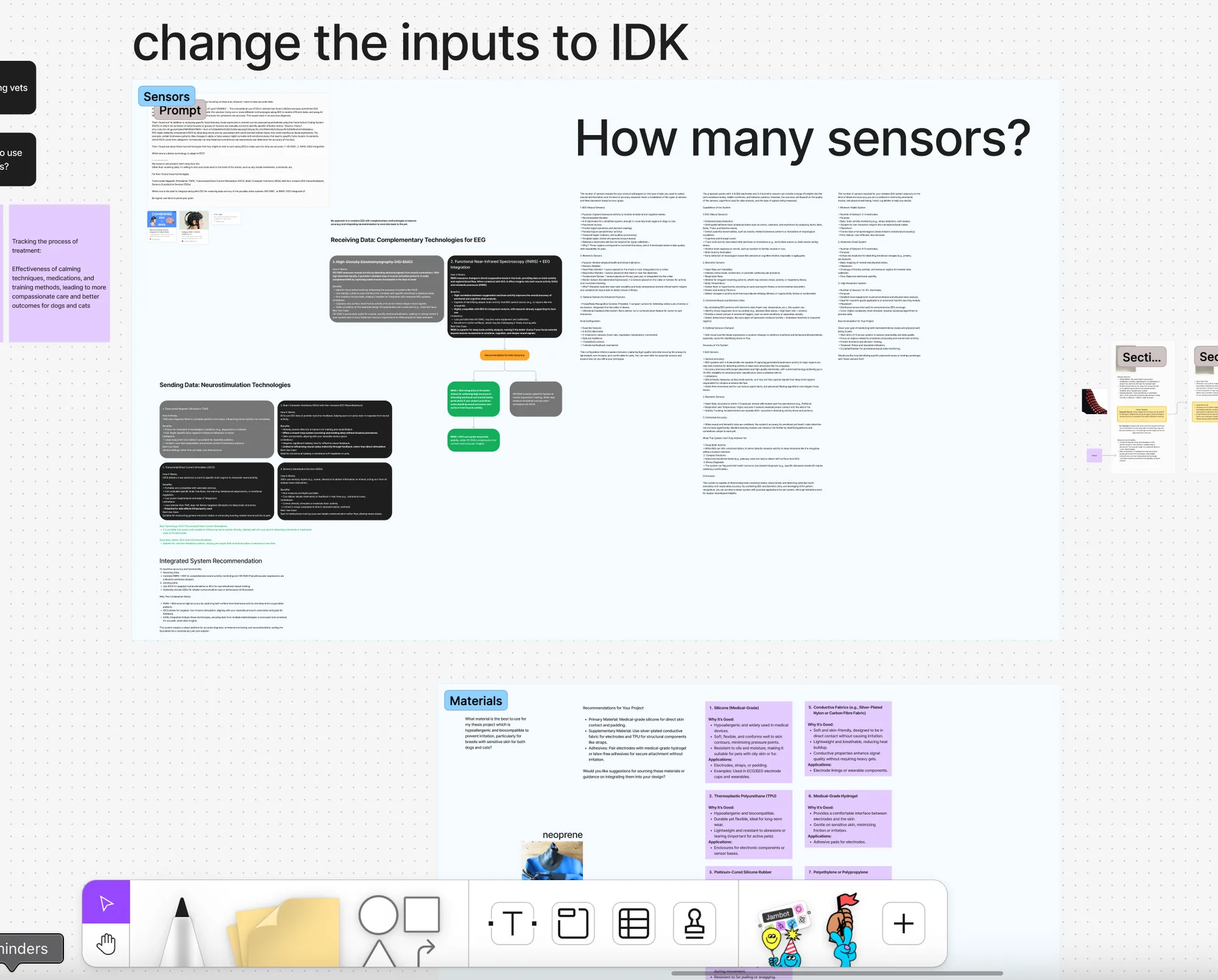
Technologies and materials
After attending the "Computational Neuroscience" event at kite UHN, by Dr. Brokoslaw Laschowski, I discovered the potentials at the intersection of machine learning and neuroscience
In our research lab, we develop new computational and machine learning models to decode neural signals from the brain which encode information about procesies such as cognition and motor intent.
Stakeholders
- Pet Trainers and Behaviour Specialists
- Veterinary Clinics
- Pets
- Pet Owners
- Developers and Designers of Pet Care Products
- Smart Home Ecosystem Developers
- Pet Owners
- Ethicists
- Pets
- Animal Behaviourists
- Neuroscientists and Bioengineers
- Veterinarians
- Pets
- Pet Owners
- Veterinary Practices and Animal Healthcare Providers
- Pet Care Industry
- Research and Academic Communities
- Animal Welfare Organizations
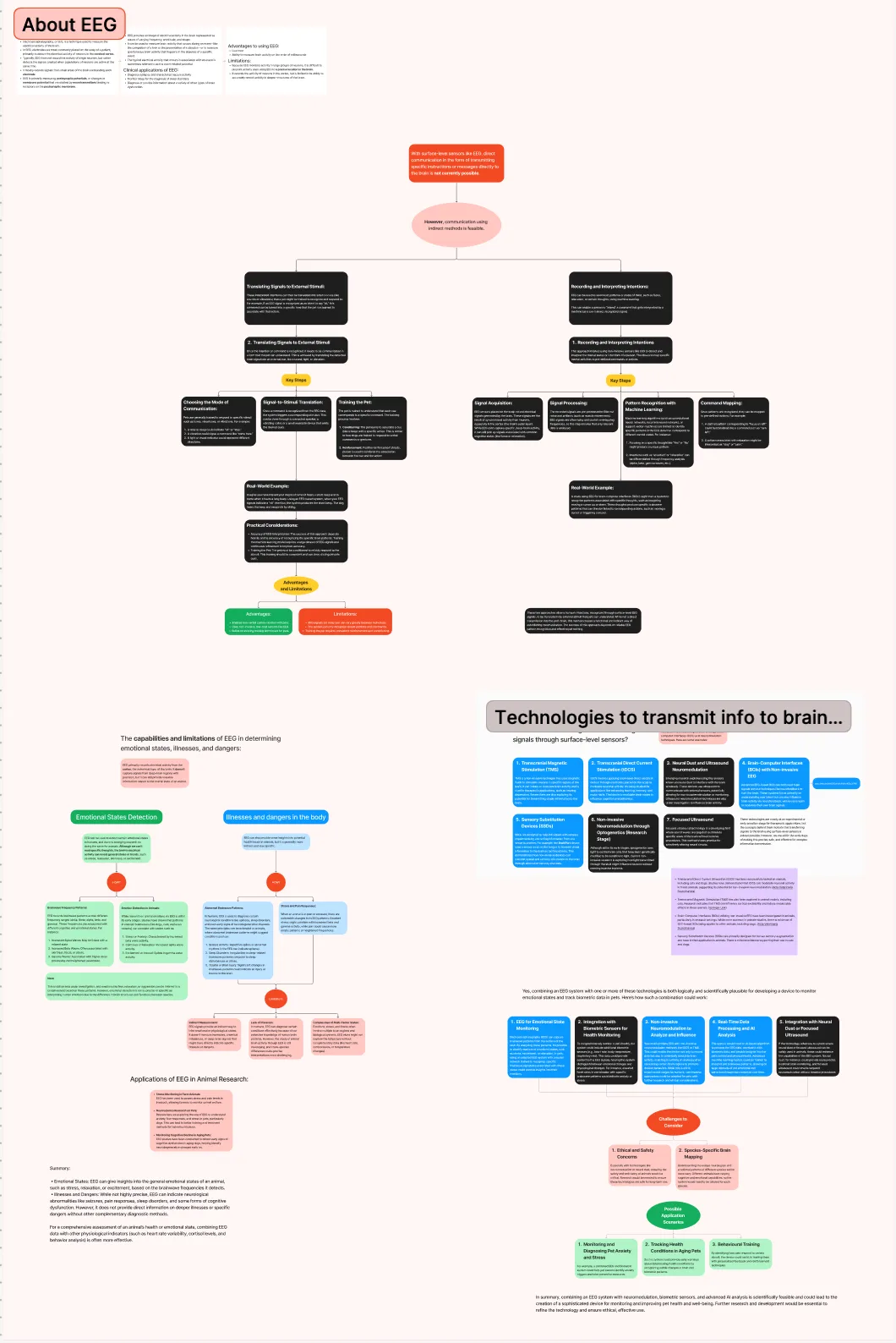
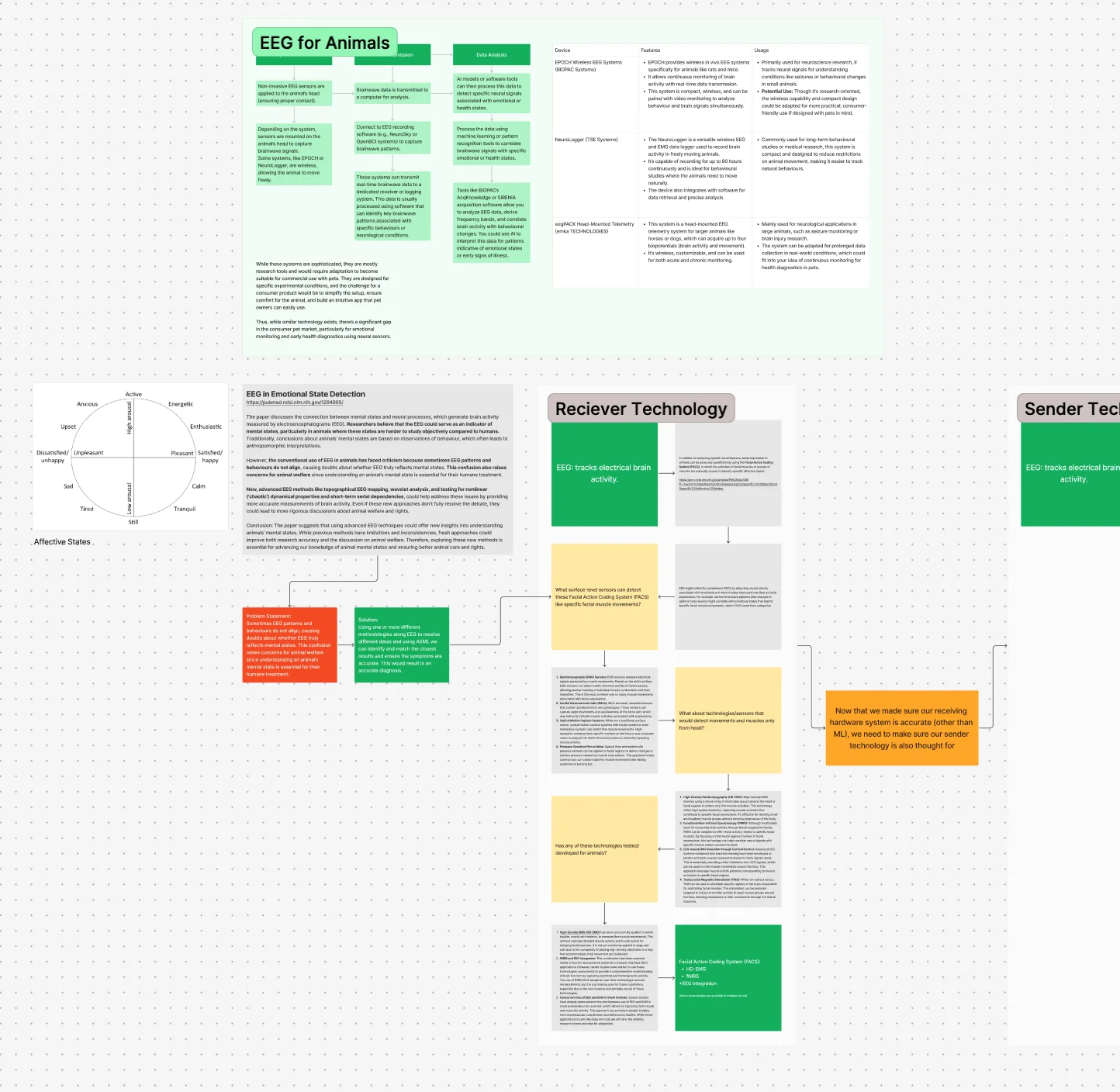
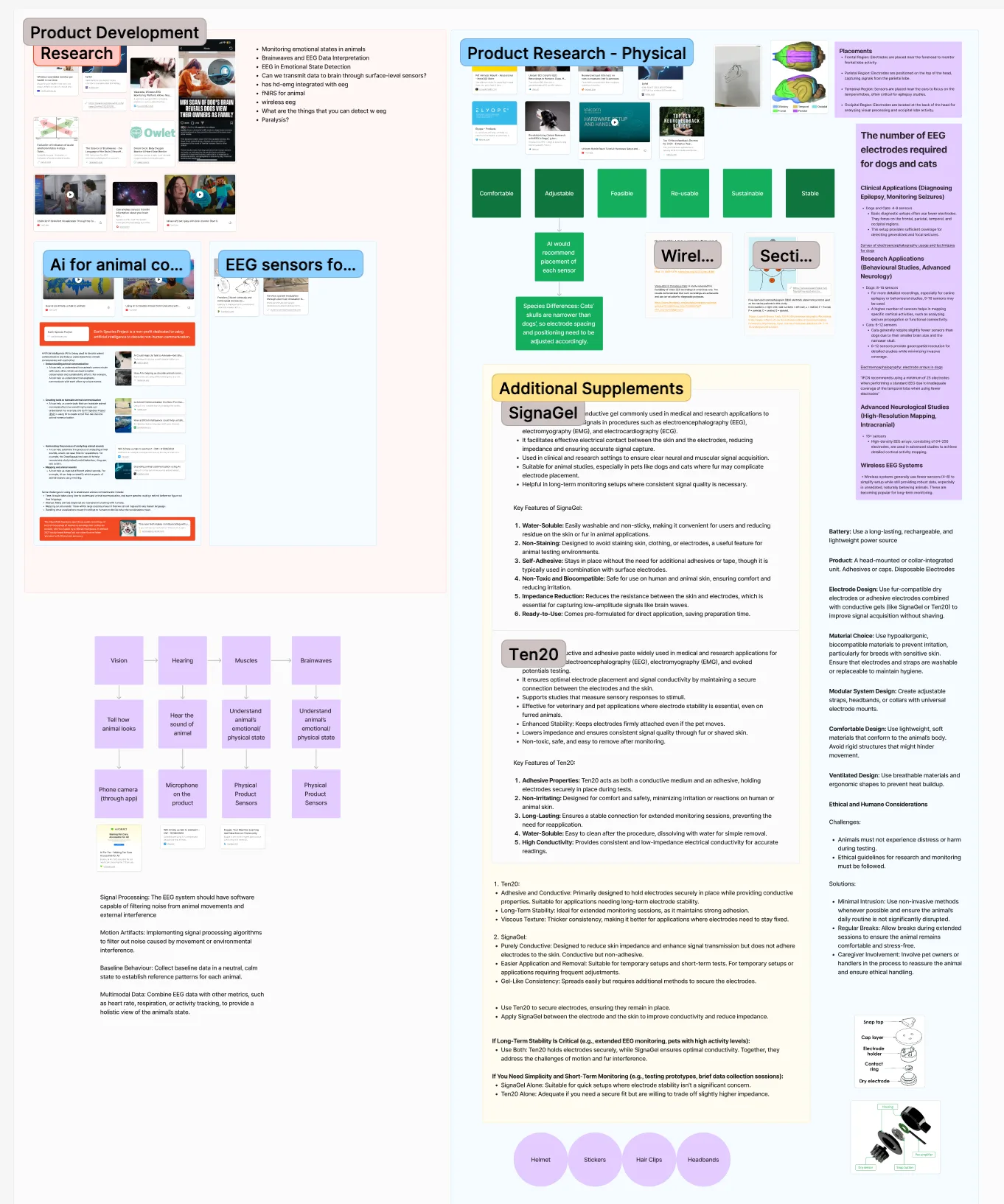
Secondary Research and information maps
Awareness & Research
Awareness & Adoption
Detection & Concern
Real-Time Monitoring & Understanding
Attempted Solutions
Proactive Engagement & Intervention
Ongoing Challenges
Strengthened Bond & Peace of Mind
- Pet owners discover PAVE, a revolutionary wearable EEG that tracks emotional and neurological states in real-time.
- Easy onboarding: Owners attach the lightweight device and connect it to the PAVE app.
- The app guides them through calibration, setting a baseline for their pet’s emotional and neurological patterns.
- Owners receive live insights on their pet’s stress, relaxation, engagement, and cognitive activity.
- AI-driven alerts notify users about unusual patterns, such as increased Beta waves indicating stress or Theta spikes suggesting deep focus or relaxation.
- Owners can track trends over time, comparing emotional states before and after activities like walks, training sessions, or social interactions.
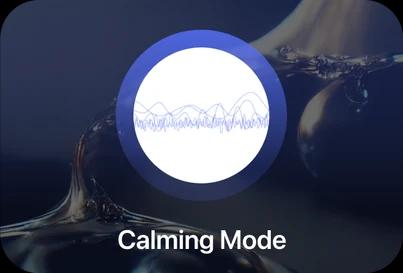
- If stress is detected, the app suggests calming interventions, such as soothing neurofeedback cues via non-invasive stimulation.
- If signs of potential illness arise, the app recommends a vet consultation with shared neurological reports.
- Training modes help reinforce positive behaviours with AI-assisted feedback loops.
- Owners can send simple cues through PAVE’s Talk feature, strengthening human-animal communication.
- Owners feel more connected and confident in understanding their pet’s emotions.
- Early detection of health risks prevents unnecessary suffering and allows for faster treatment.
- Pets receive more personalized care, improving emotional well-being and quality of life.
- PAVE becomes an essential part of daily pet care, shifting the experience from guesswork to science-backed certainty.
Awareness & Adoption
- Pet owners discover PAVE, a revolutionary wearable EEG that tracks emotional and neurological states in real-time.
- Easy onboarding: Owners attach the lightweight device and connect it to the PAVE app.
- The app guides them through calibration, setting a baseline for their pet’s emotional and neurological patterns.
Real-Time Monitoring & Understanding
- Owners receive live insights on their pet’s stress, relaxation, engagement, and cognitive activity.
- AI-driven alerts notify users about unusual patterns, such as increased Beta waves indicating stress or Theta spikes suggesting deep focus or relaxation.
- Owners can track trends over time, comparing emotional states before and after activities like walks, training sessions, or social interactions.
Proactive Engagement & Intervention
- If stress is detected, the app suggests calming interventions, such as soothing neurofeedback cues via non-invasive stimulation.
- If signs of potential illness arise, the app recommends a vet consultation with shared neurological reports.
- Training modes help reinforce positive behaviours with AI-assisted feedback loops.
- Owners can send simple cues through PAVE’s Talk feature, strengthening human-animal communication.
Strengthened Bond & Peace of Mind
- Owners feel more connected and confident in understanding their pet’s emotions.
- Early detection of health risks prevents unnecessary suffering and allows for faster treatment.
- Pets receive more personalized care, improving emotional well-being and quality of life.
- PAVE becomes an essential part of daily pet care, shifting the experience from guesswork to science-backed certainty.
Perceptual map and product value
- g.tec Unicorn BCI Core is the most scientifically validated in EEG for animals but is not consumer-focused like PAVE.
- PAVE is positioned in a strong place—offering high performance while ensuring safety and non-invasiveness.
- Neuralink has high potential but lacks ethical and pet-focused validation for now due to the requirement of surgery for implementing an invasive chip.
Key findings
- 01
Product considerations
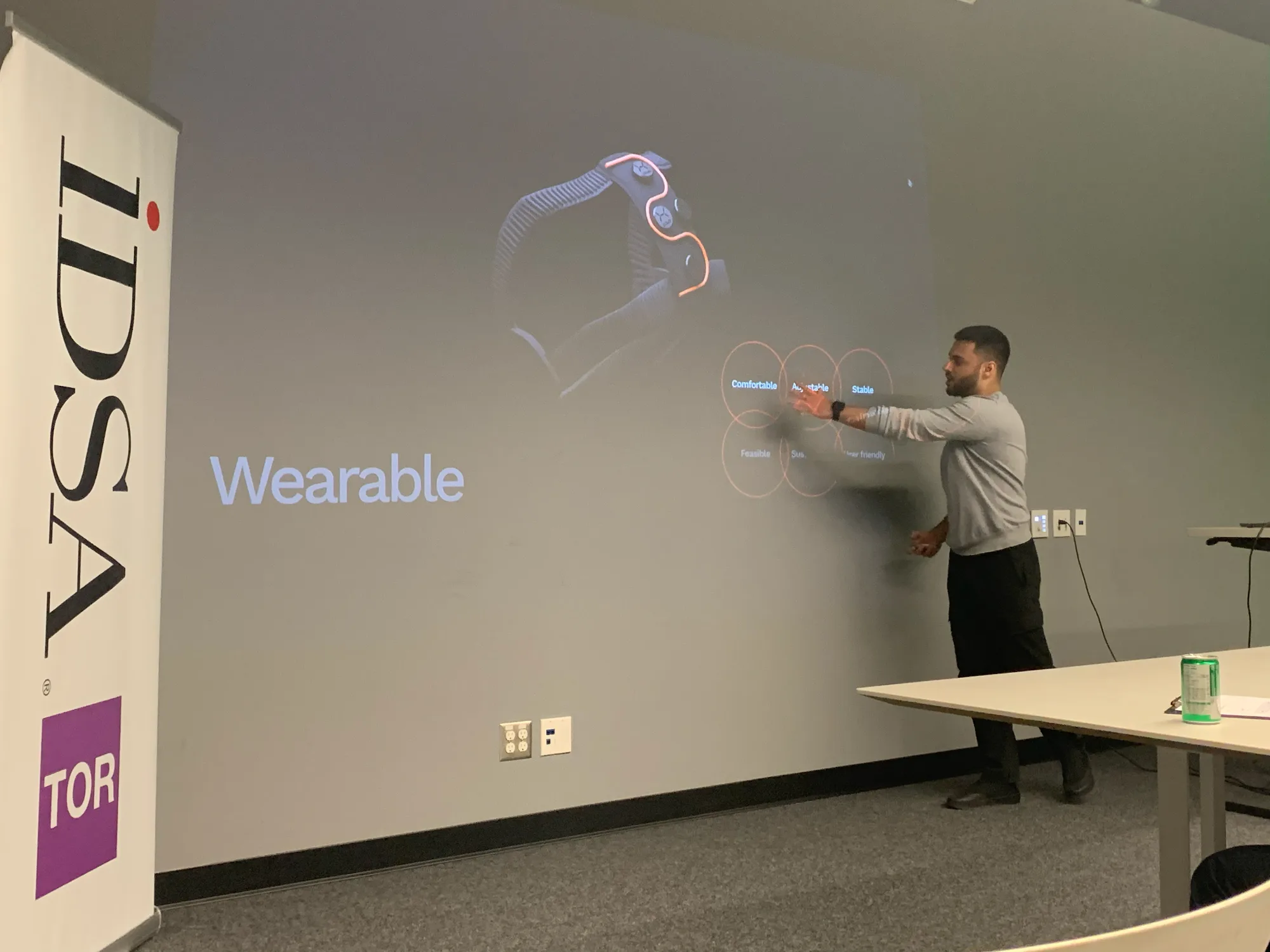
Product needs to be comfortable for the animal, adjustable for different breeds and ages, stable while they're active, feasible to make, sustainable solutions and materials, and user-friendly.
- 02
Materials
Breathable, soft, and light fabrics suitable for sensitive skin of the animal.
Stretchy and adjustable materials to fit the animal.
Reusable/rechargeable wireless sensors instead of disposable electrodes to stay environmental friendly.
- 03
Technology
Since I chose to do non-invasive technologies, the wearable will include EEG electrodes for receiving data/brain scan, and tDCS for stimulation (delivering electrical signals).
Solution
Pave the path of communication and bonding
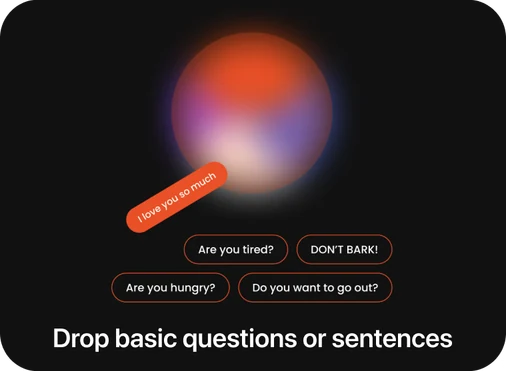
Pave is the communication bond between human and animals using Neurotechnology, through an app and a physical wearable for dogs and cats. By leveraging non-invasive EEG technology, this system scans animal's brain and displays the translated brainwaves data in the app for the owner to monitor their pets' emotional and cognitive states. Using Neurostimulation capabilities (tDCS) users can send training cues, direct monitored communication cues, or therapeutic signals back to the pet’s brain as well.
Unlike traditional pet wearables that focus on GPS tracking or heart rate monitoring, Pave delivers real-time emotional and neurological data, empowering owners to take proactive action for their pet’s health, behavioural training, and emotional well-being; as well as communication features.
Design process
Phase 1: Ideation to Low-fidelity
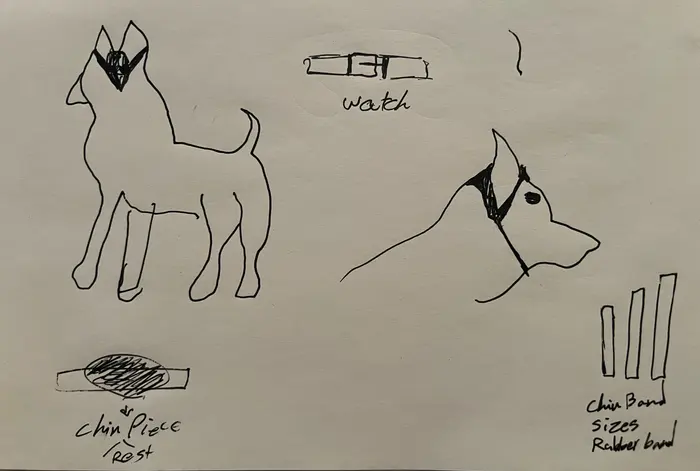
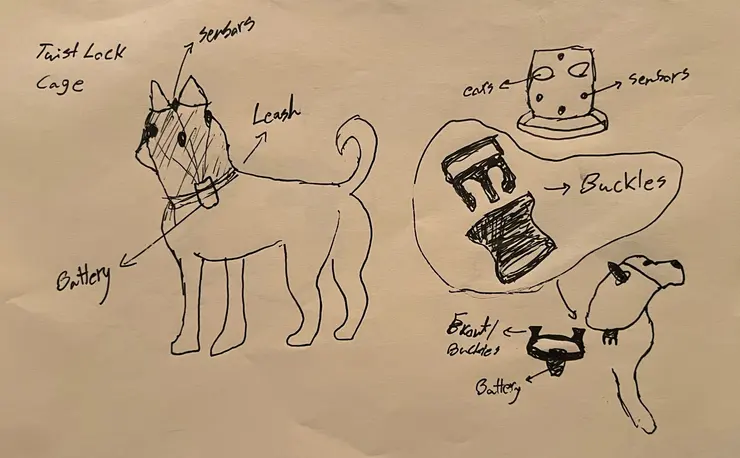
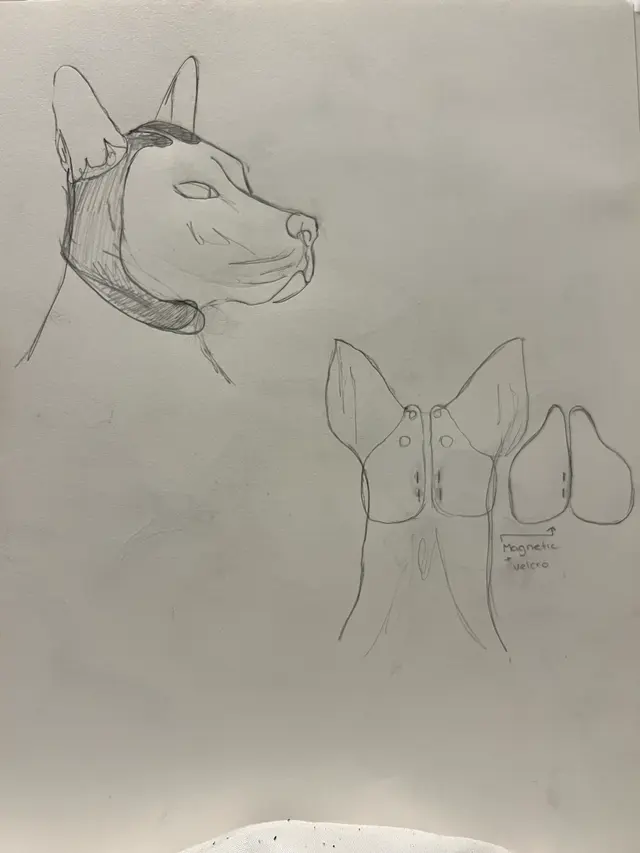
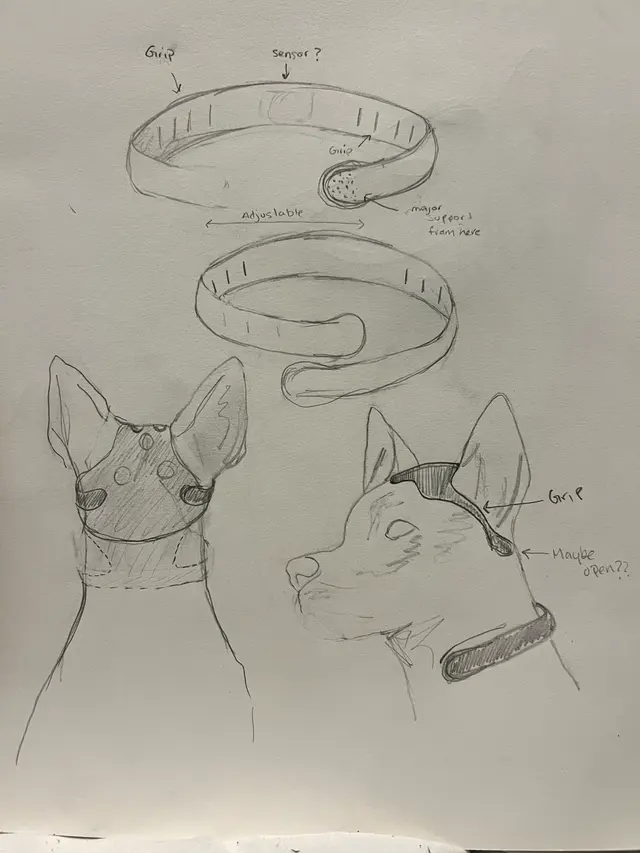
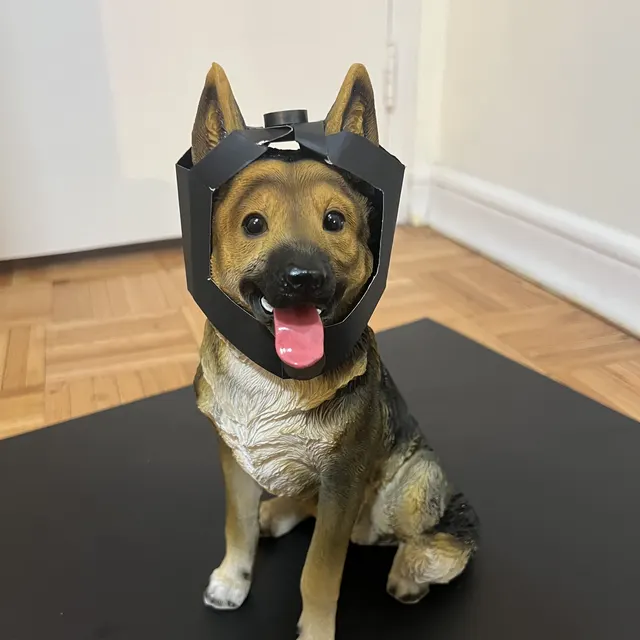
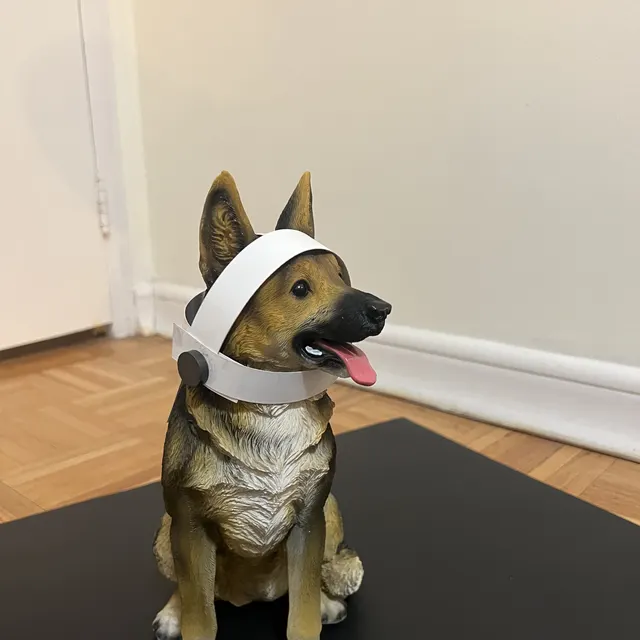
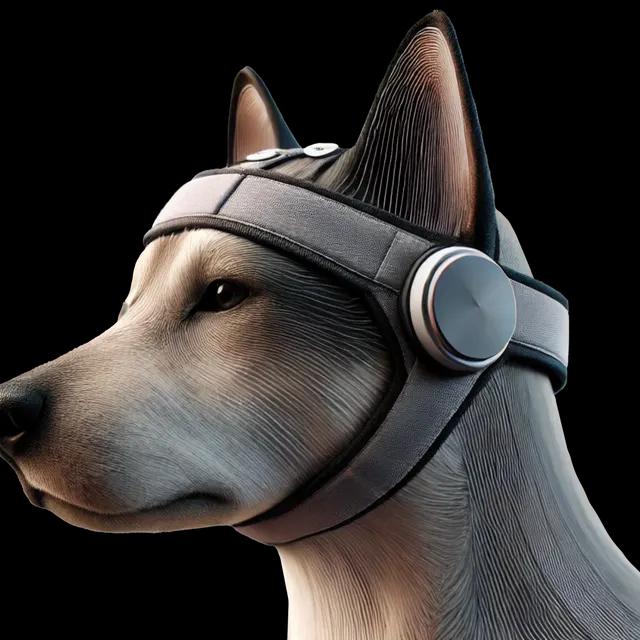
The process started with +20 early sketches and ideations on how the wearable could look like. Then by choosing two raw ideas, I started creating low-fidelity prototypes with magnets and papers and tested on small dog sculpture. Later I started generating refined versions of the drawings using AI (MidJourney and Dali) to have an easier decision making and visualization of the concepts. Meanwhile, I also started making flow maps of the app, including sign up to create a user journey while collecting the determined user data.
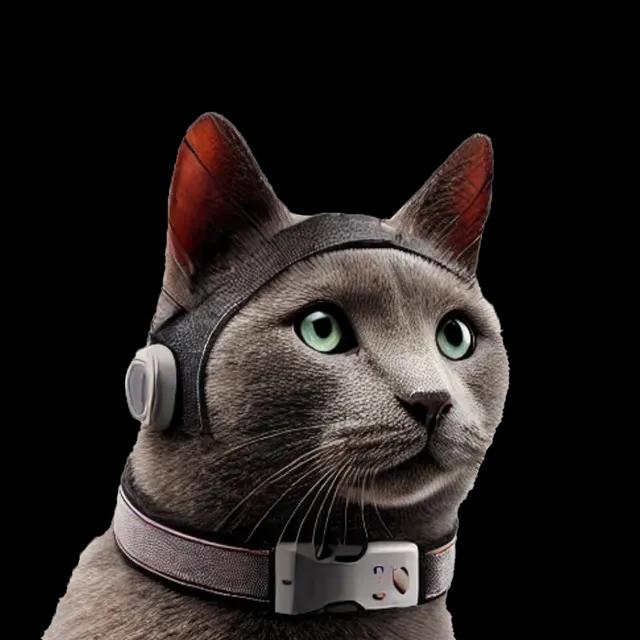
System Design: Scan process (receiving/collecting data)
Receiving (scan) Prompt:You’ve been down for 2 days now, are you okay buddy?
Receiving scan data back
- Reviews user inputs(medical history, behavioural data, etc)
- Reviews scan data
- Reviews database
- Diagnose animal
- Provide possibilities with accuracy percentage + suggest contacting veterinarian
System Design: Communicating process (sending/stimulatig data)
Sending (stimulation) Prompt:It’s time for a walk, are you ready?
- Converts brainwave results to human language
- Reviews database
Phase 2: Mid-fidelity
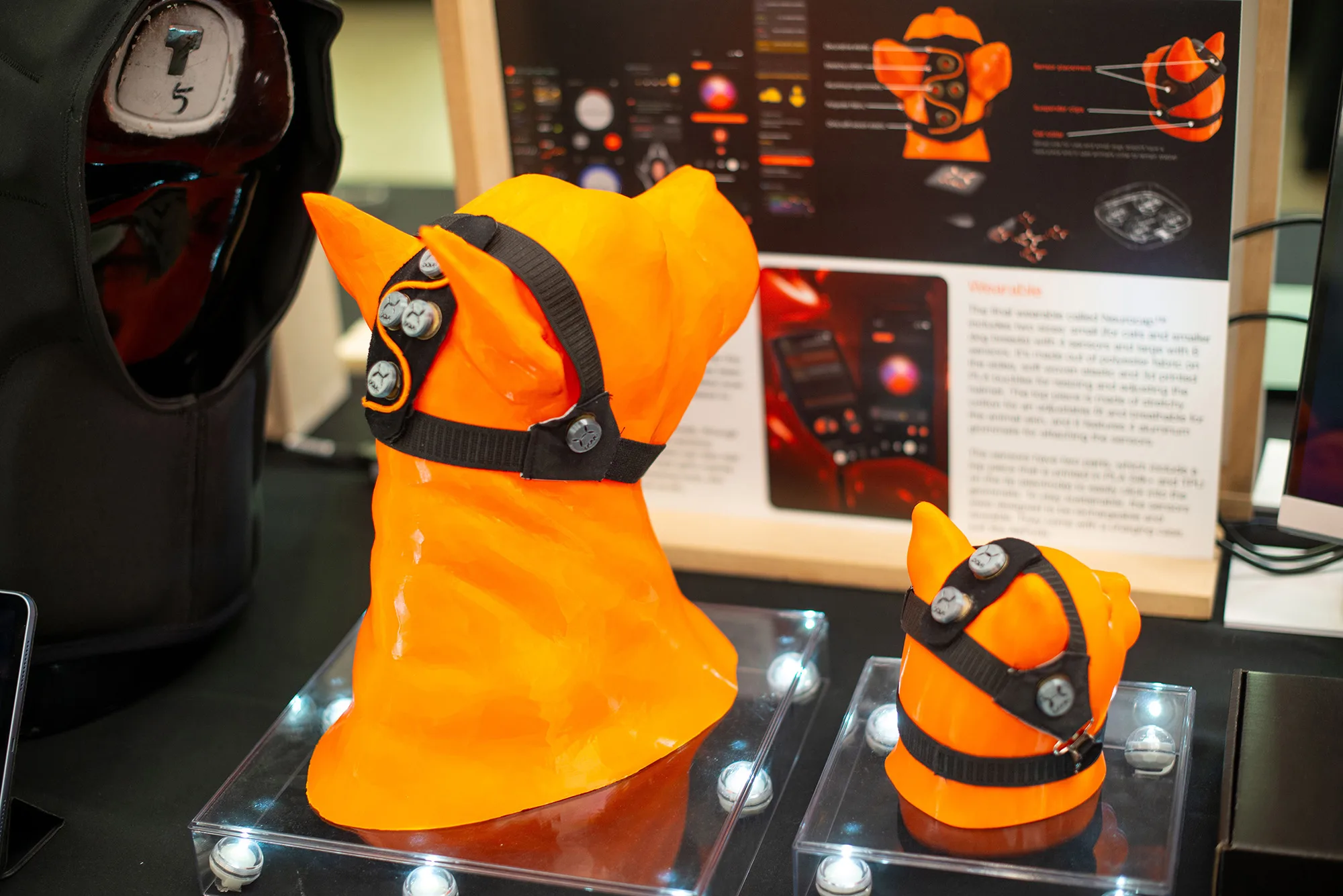
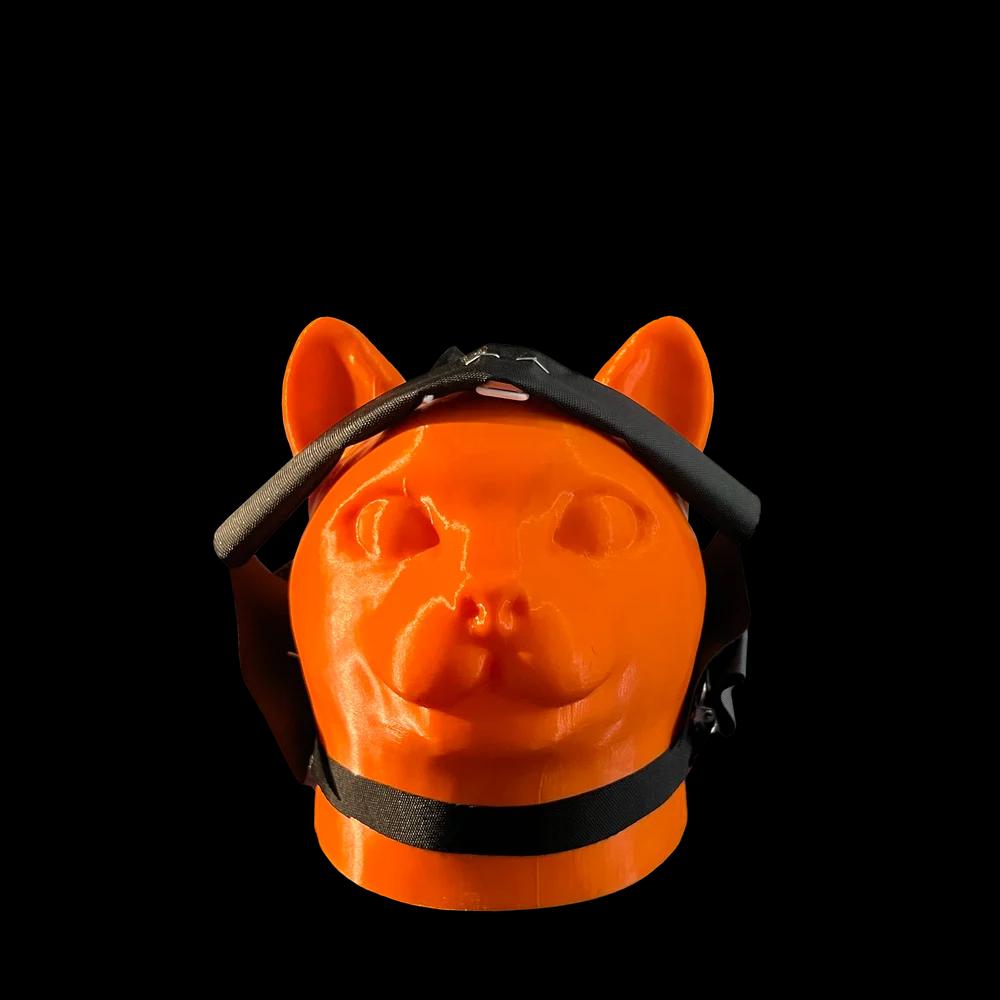
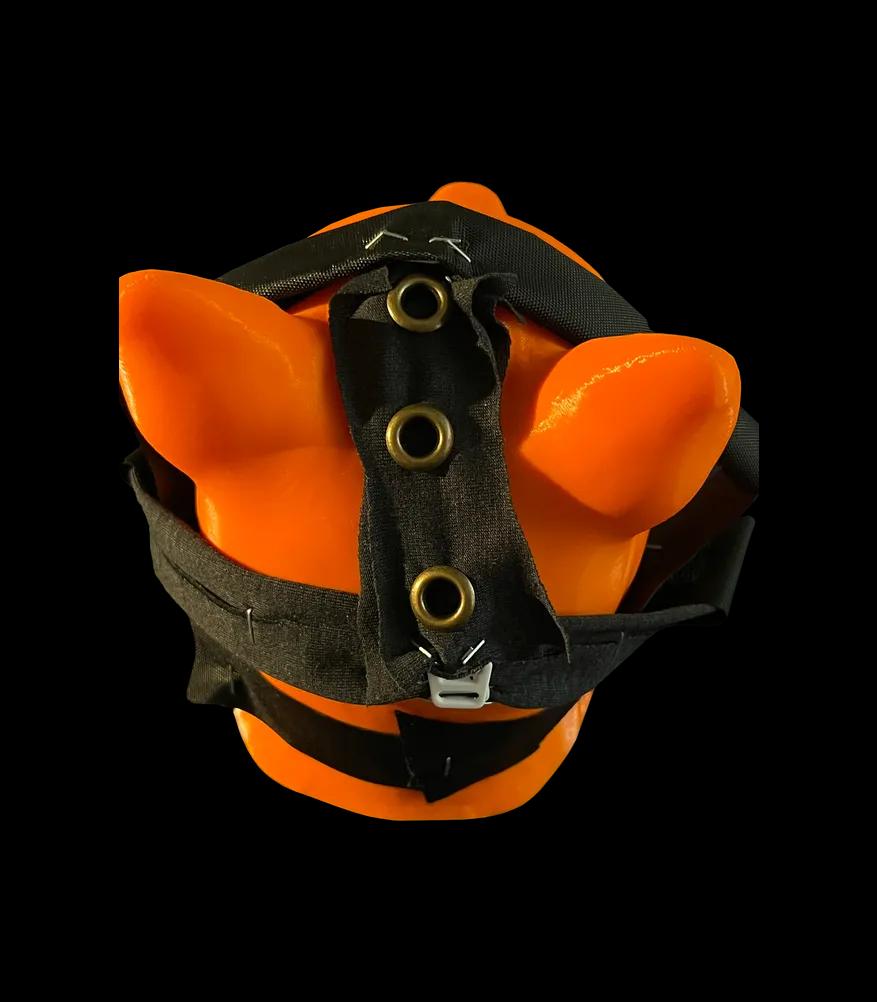
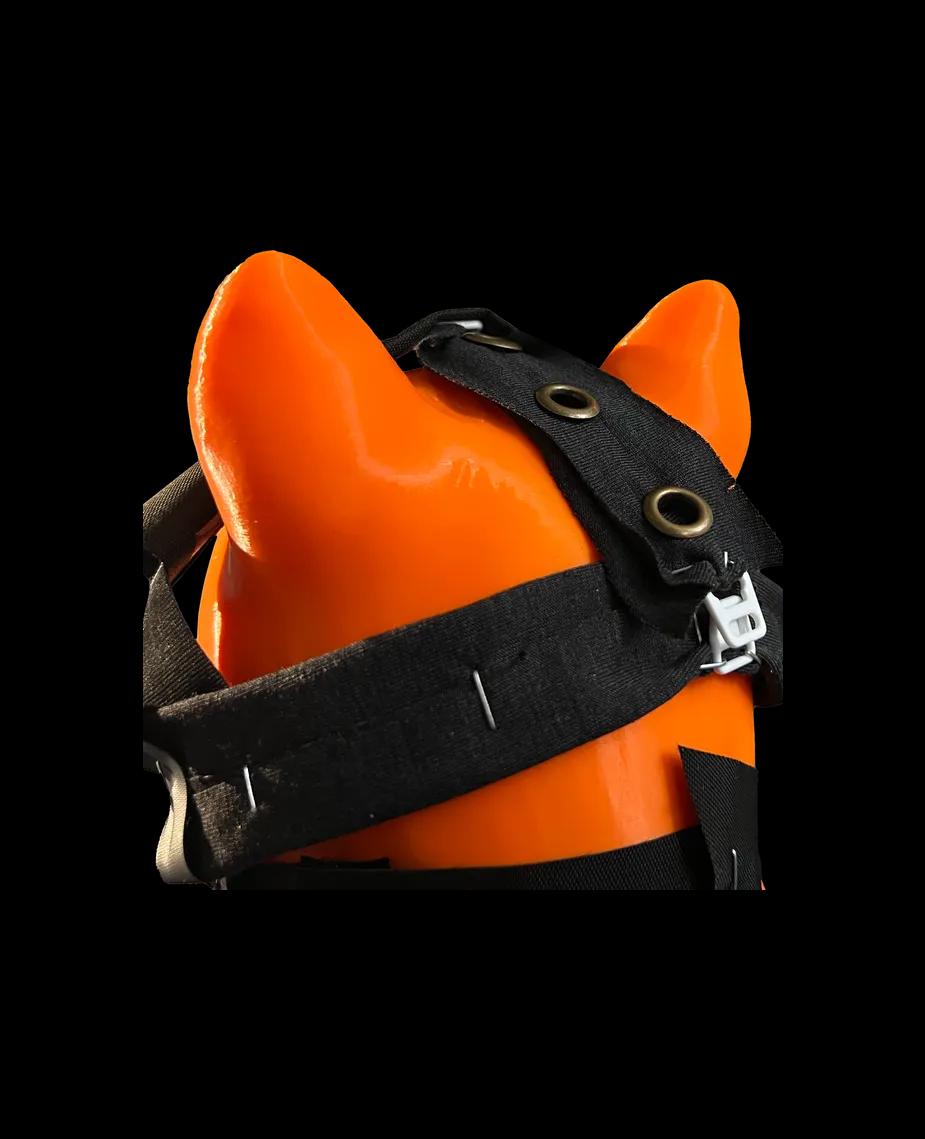
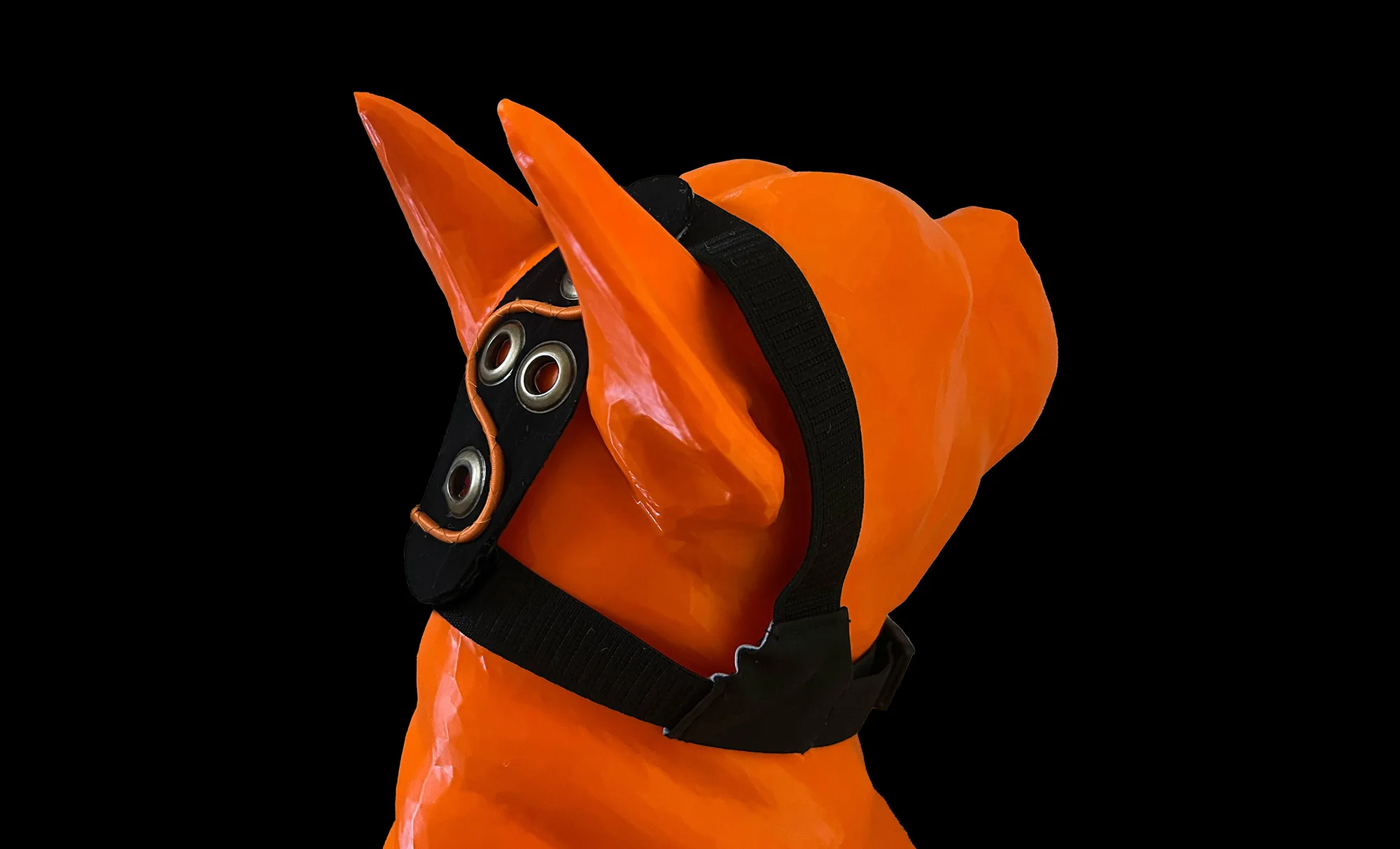
The physical prototype continued after 3D printing a real-life dog and a cat model, while researching the exact measurements and materials. With taking inspiration from products like VR headsets and dog goggles, I came up with the idea of a cap with attachable parts that are stretchy to fit the animal's skull. The parts include a piece surrounding the neck, a piece that covers the top of the head, and a piece between the ears that connects the top piece to the neck piece. This was later simplified into two pieces as I decided to create two sizes of the product.
My strategy to design the app was through Modular Design and Atomic Design approach to define small elements and assemble them into larger structures. Since this idea is very unique, I couldn't find much inspiration for it, except data visualization widgets and dashboard layouts.
- 01
Define features
- 02
Design widgets for each feature

- 03
Mapping out pages
- 04
Adding widgets based on page map and features
Phase 3: High-fidelity
neurocap™ (wearable)
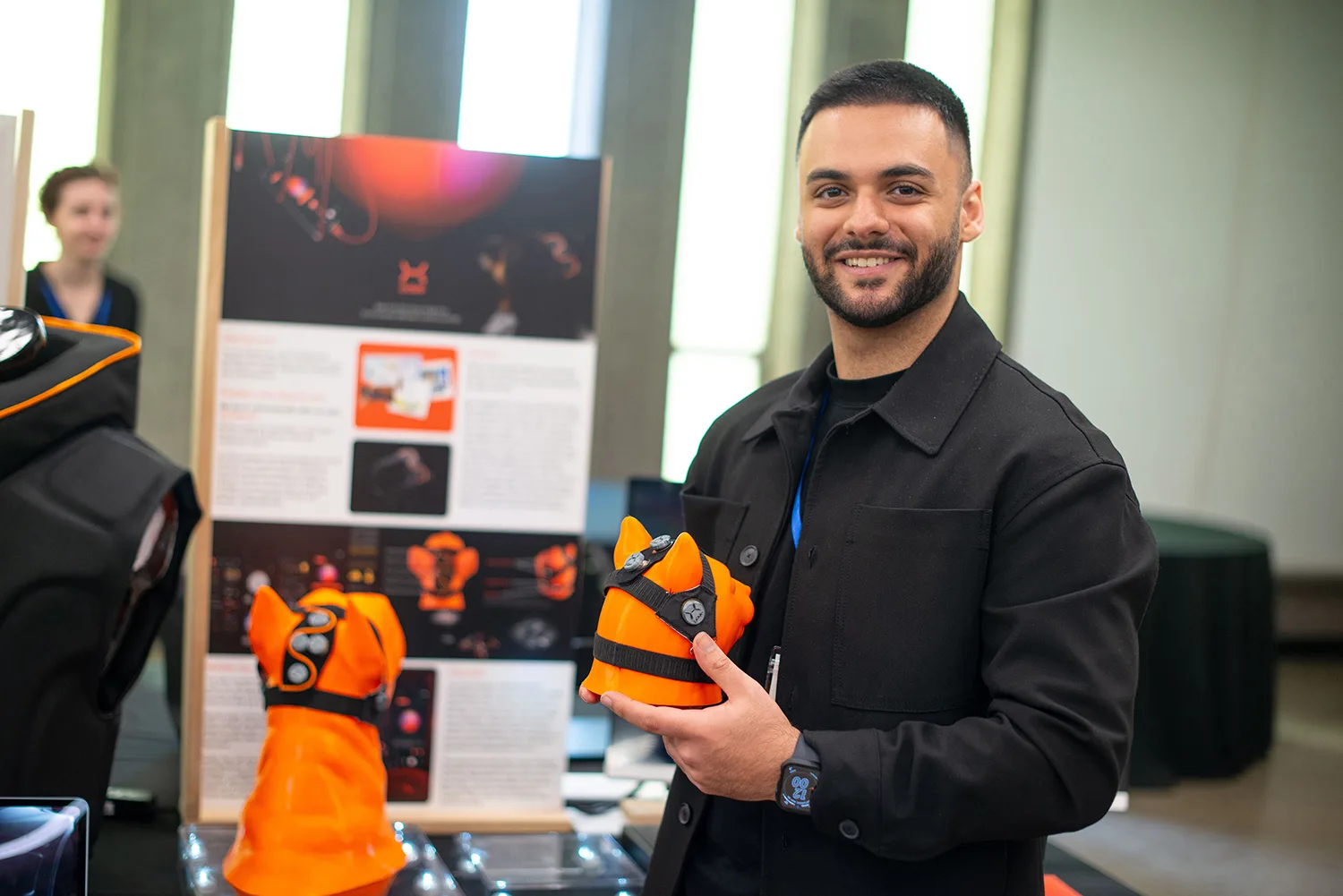
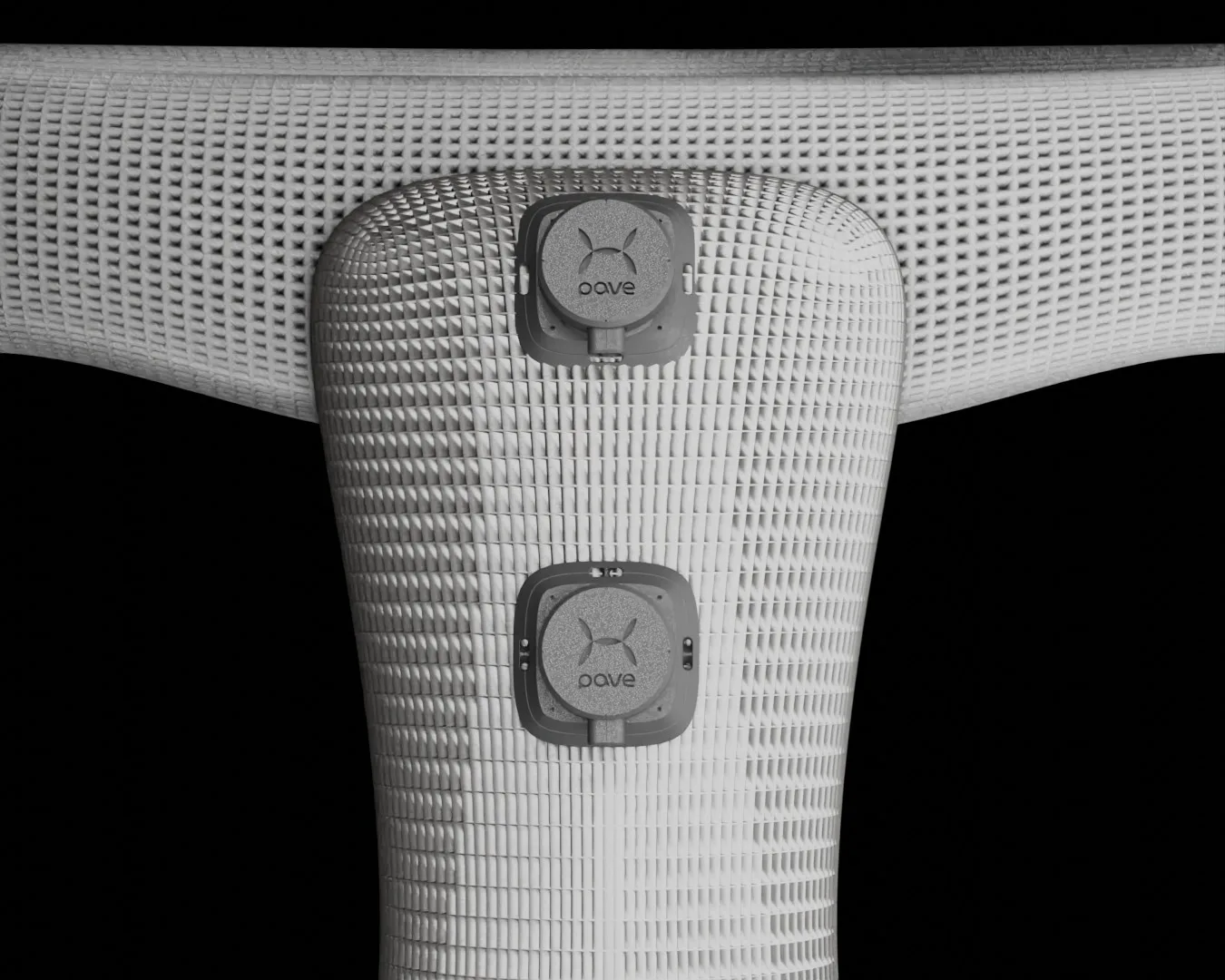
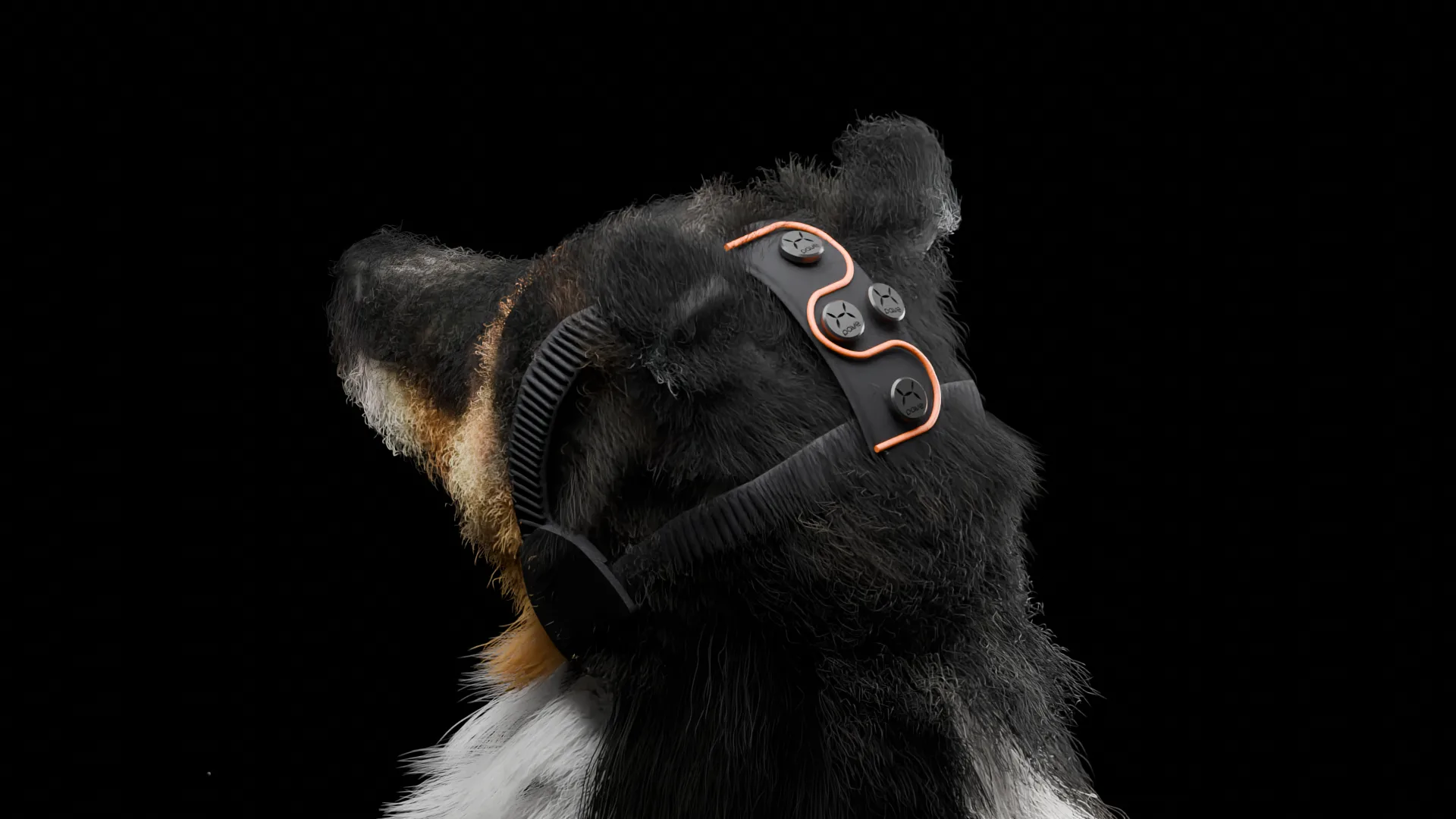
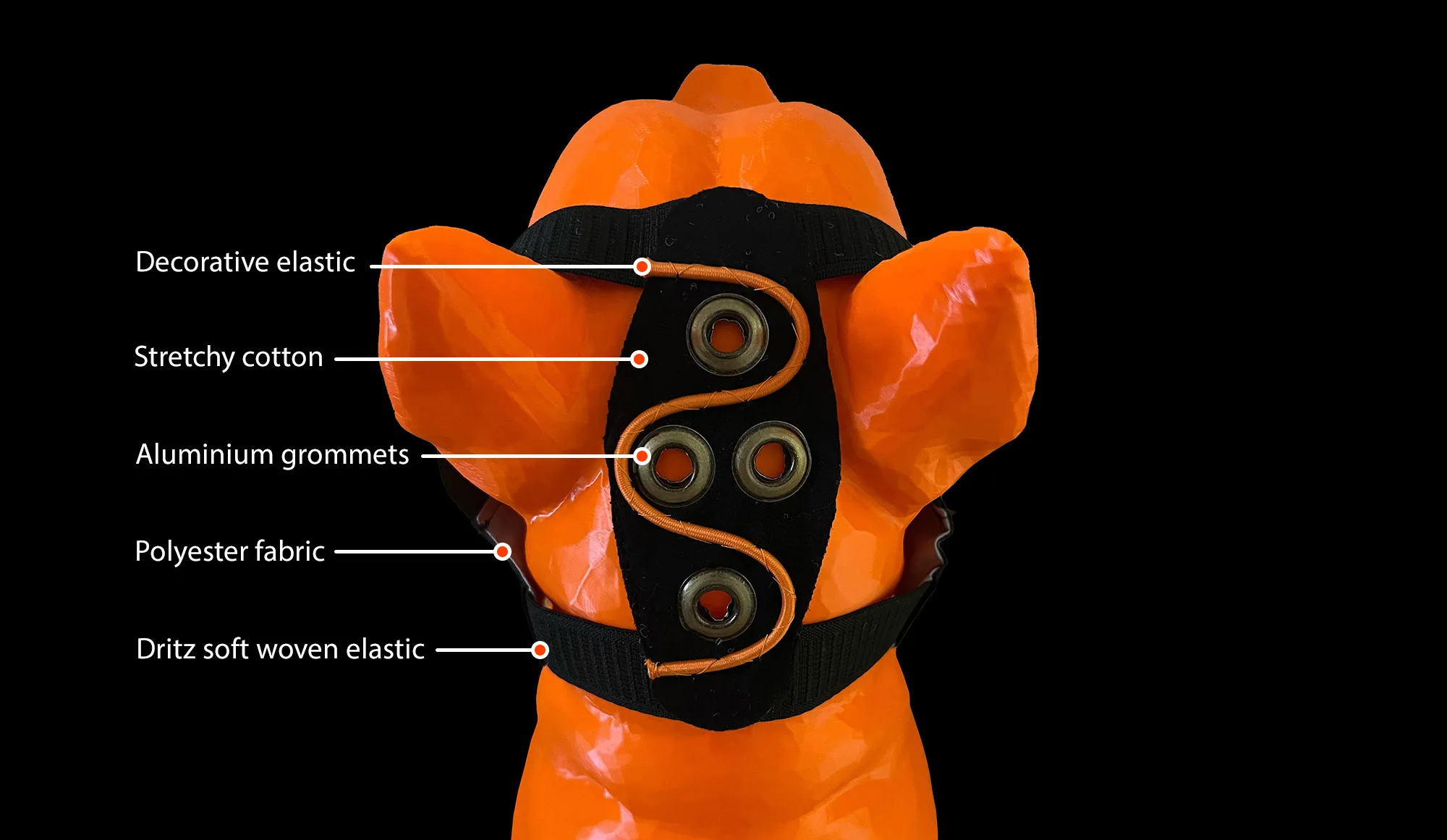
The final wearable called Neurocap™ includes two sizes of small (cats and smaller dog breeds) and large. It's made out of polyester fabric on the sides, soft woven elastic and 3D printed PLA buckles for resizing and adjusting the helmet. There's stretchy cotton used for the top piece to adjust and breathable for the animal skin, and includes 4 aluminium grommets to attach the sensors to. The sensors have two parts which includes a top piece that is printed in PLA Silk+ and TPU on the tip (electrode) to easily click into the grommets.
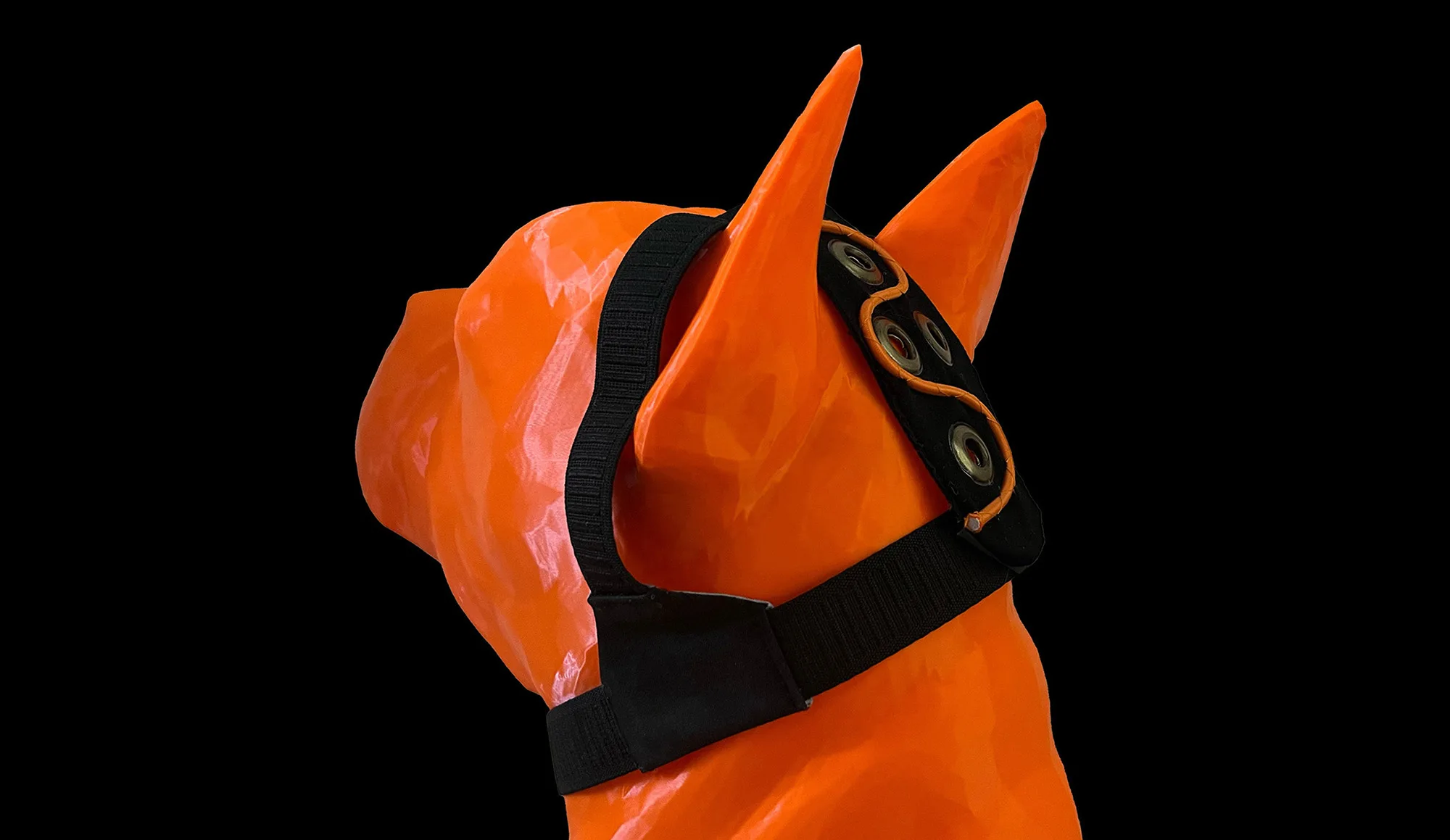
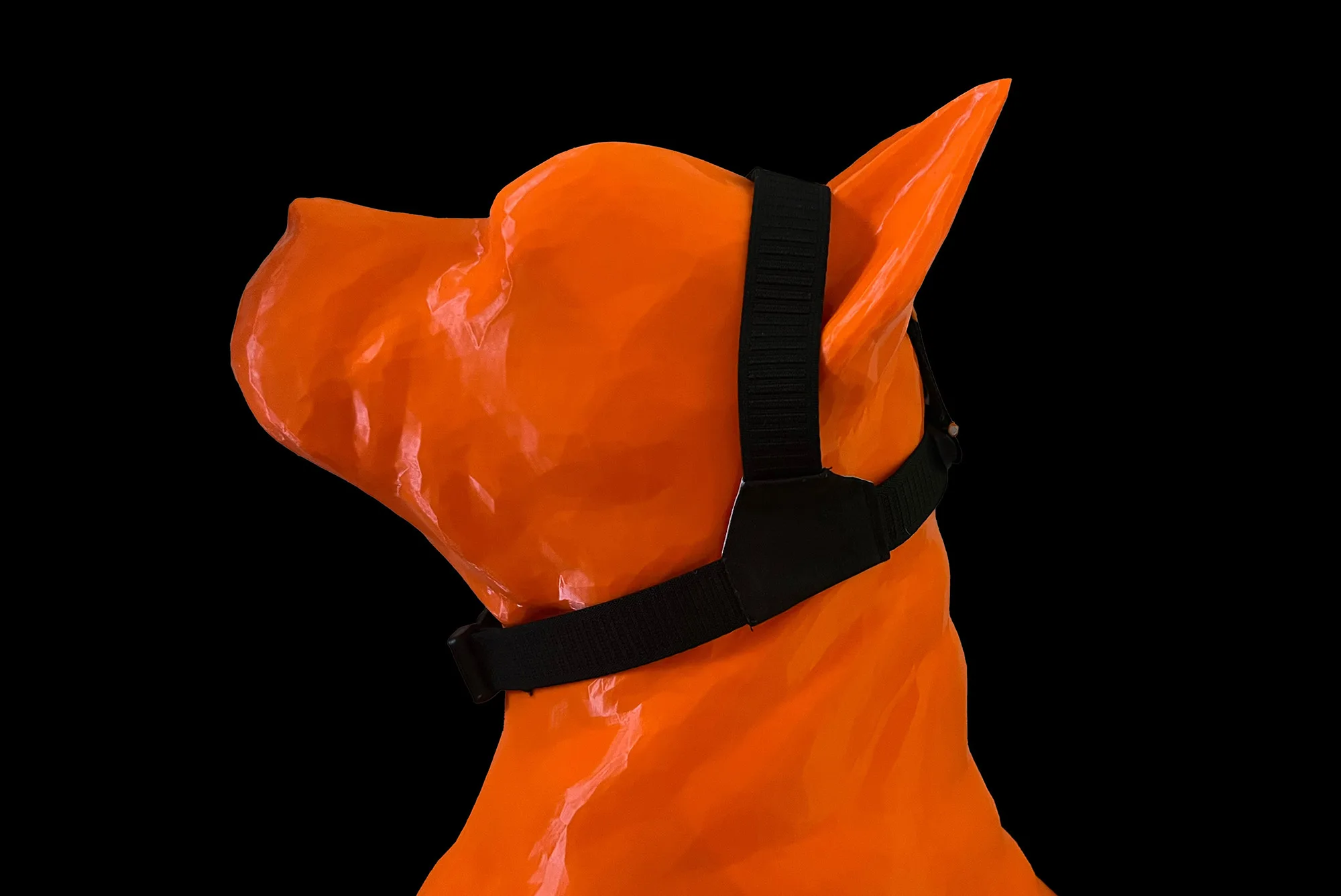
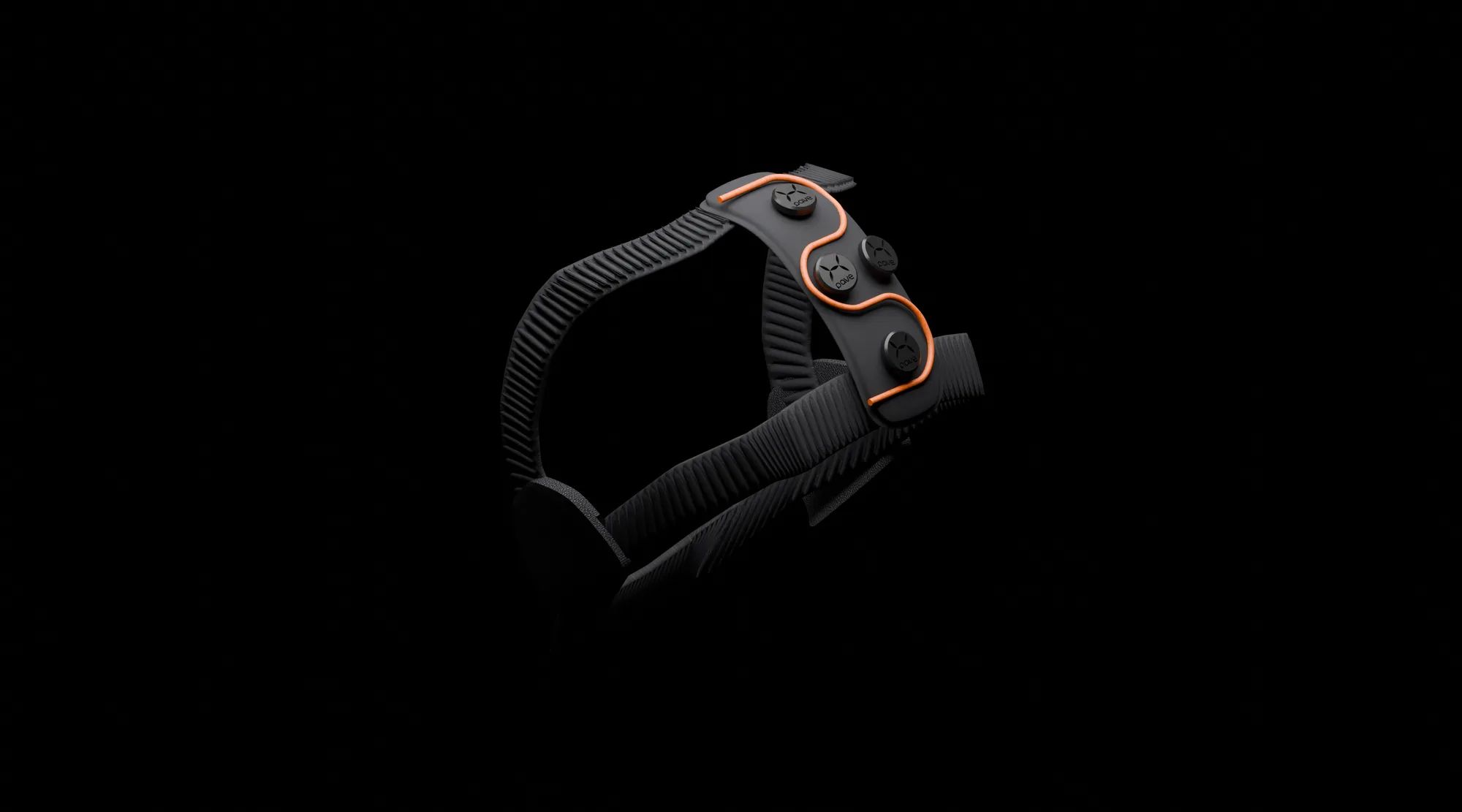
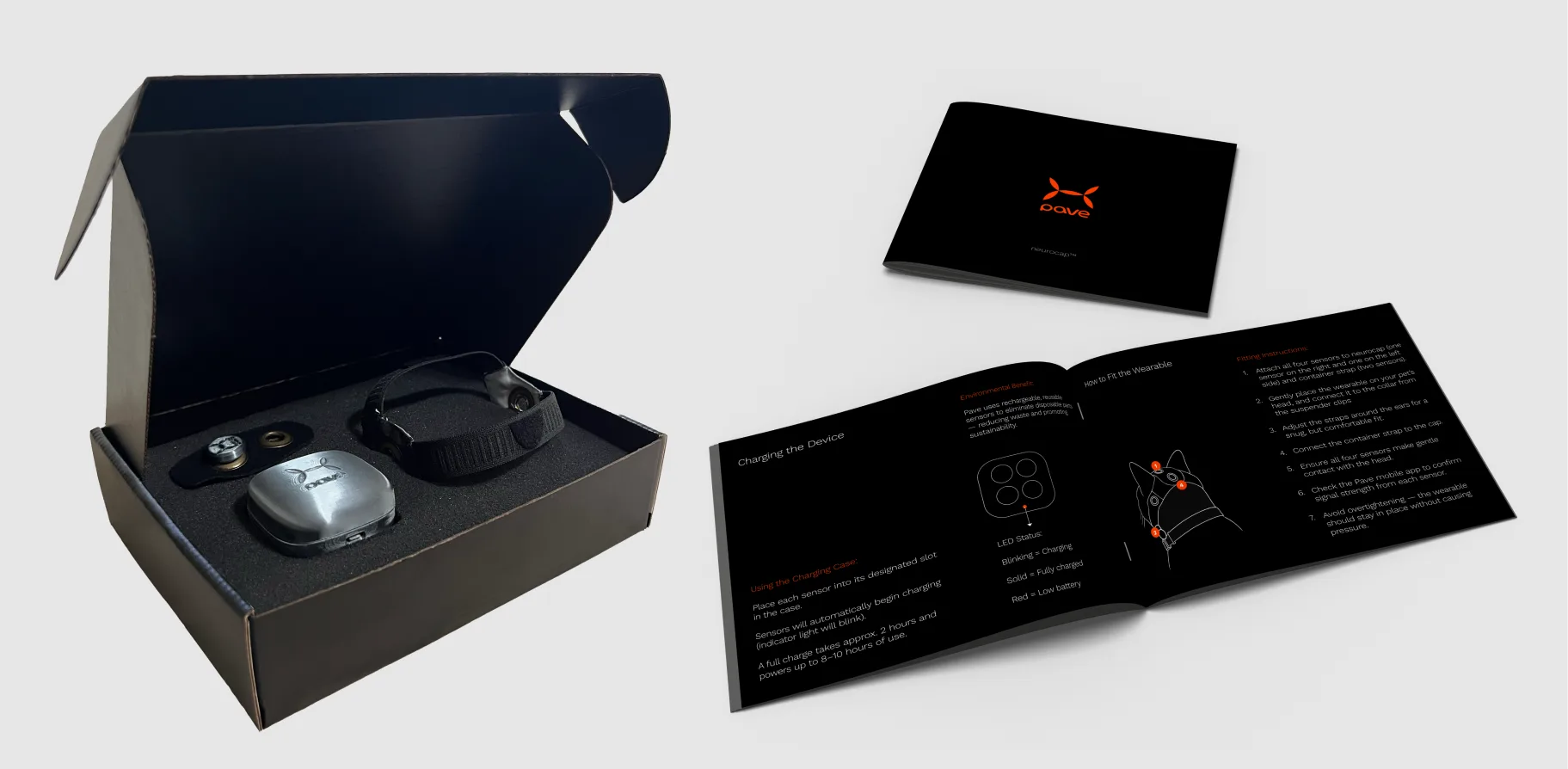
To stay sustainable, the sensors were designed to be rechargeable. They come with a charging case, like AirPods.
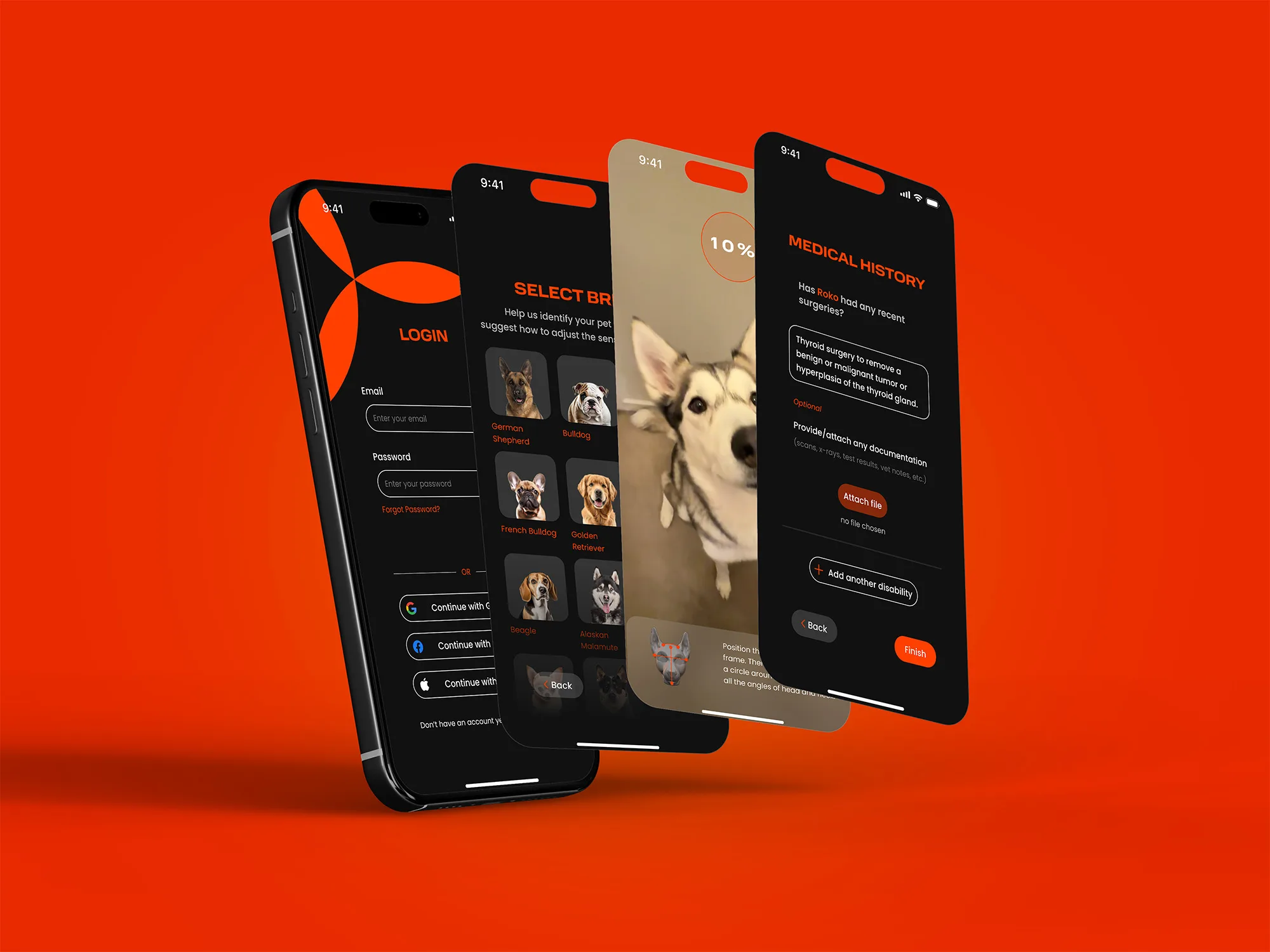
Pave mobile app
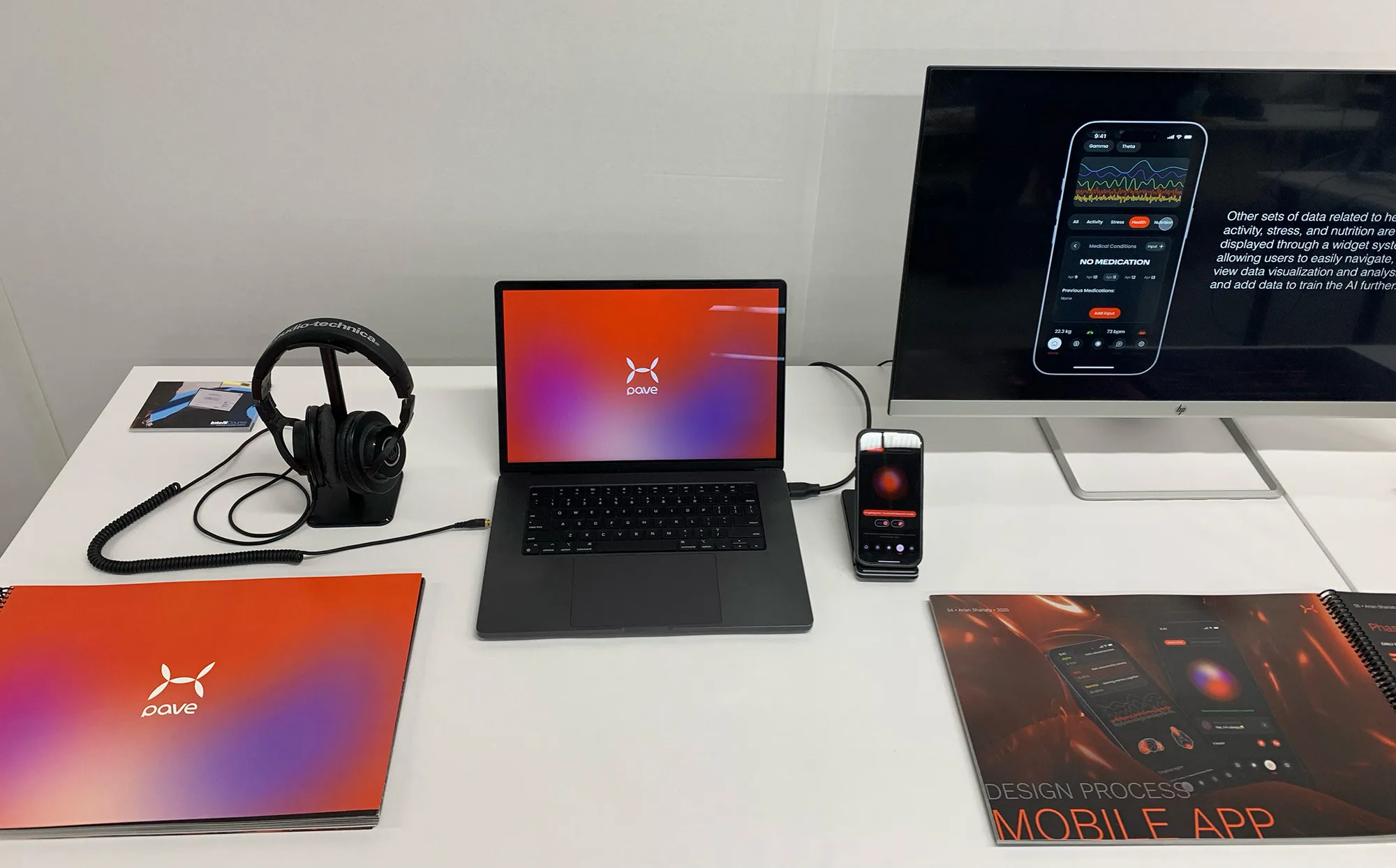
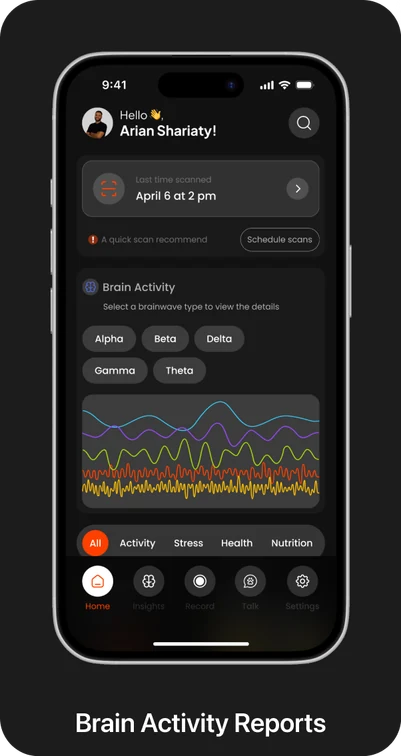
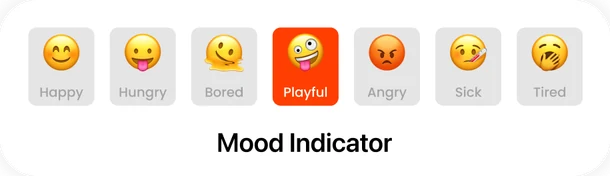
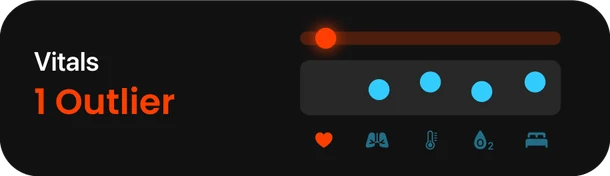
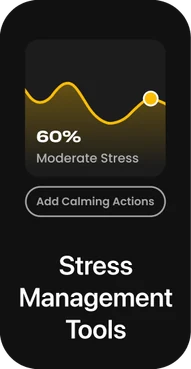
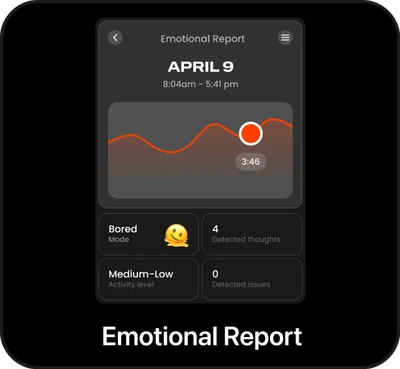
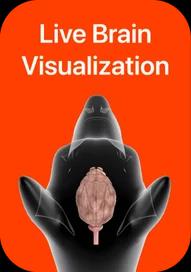
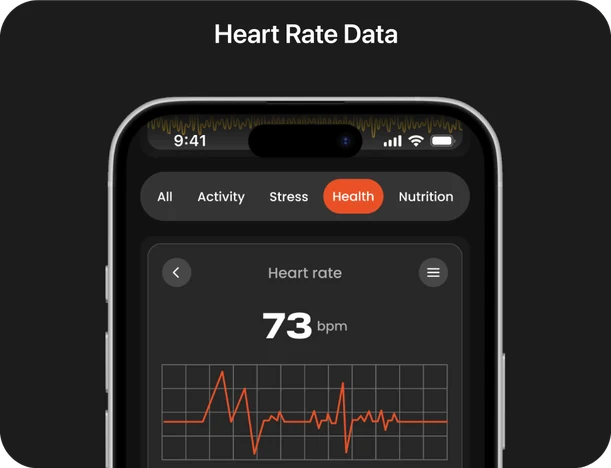
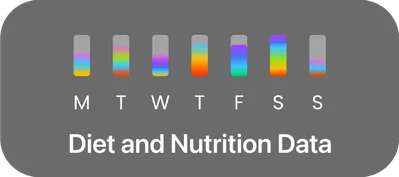
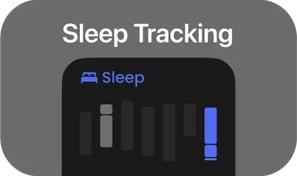
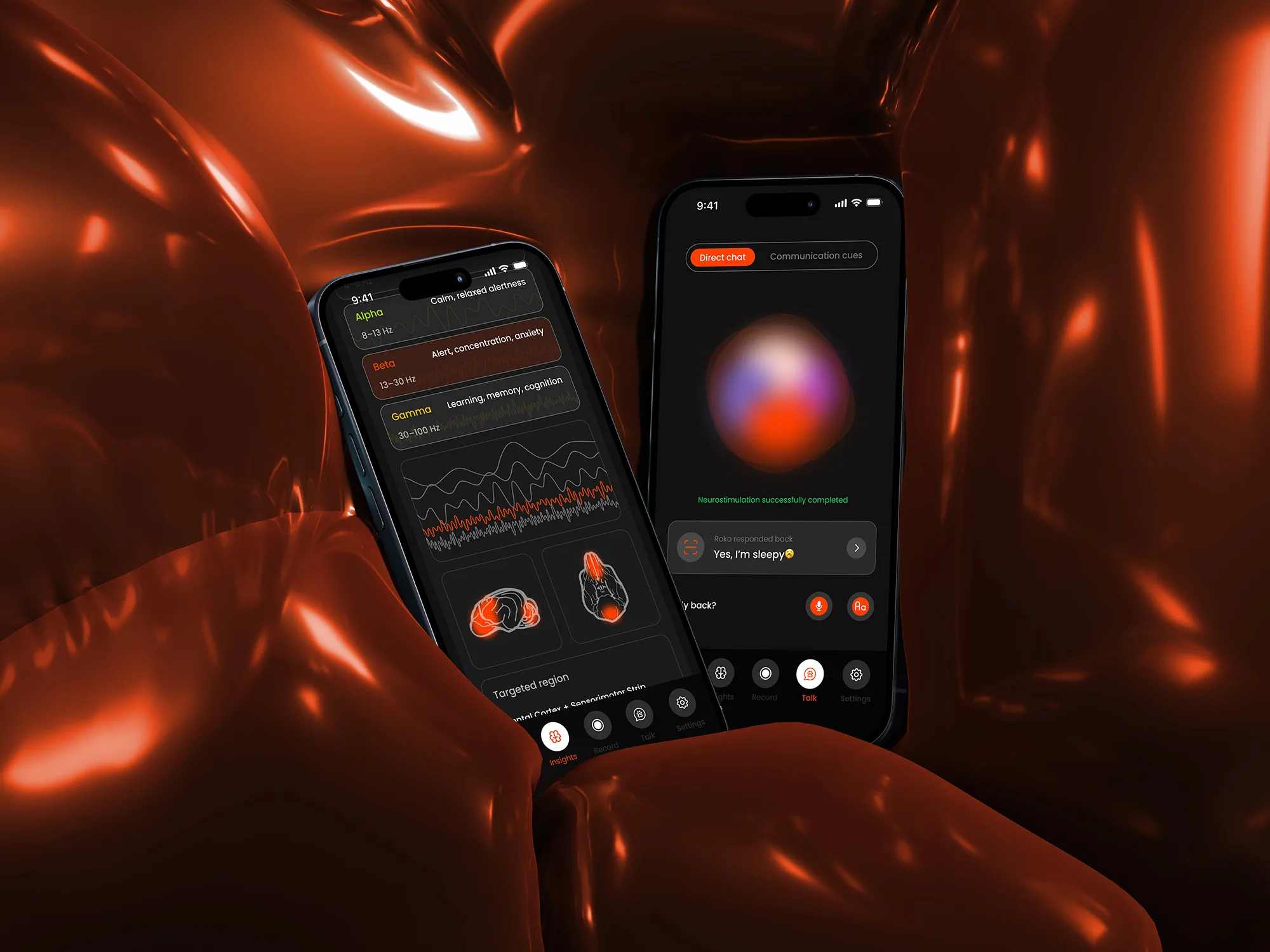
Pave mobile app is a companion tool that visualizes the emotional and health data of the user's pet in real time using brainwave and muscle activity analysis. Paired with the wearable device, it offers live insights, behaviour trends, training feedback, and communication cues.







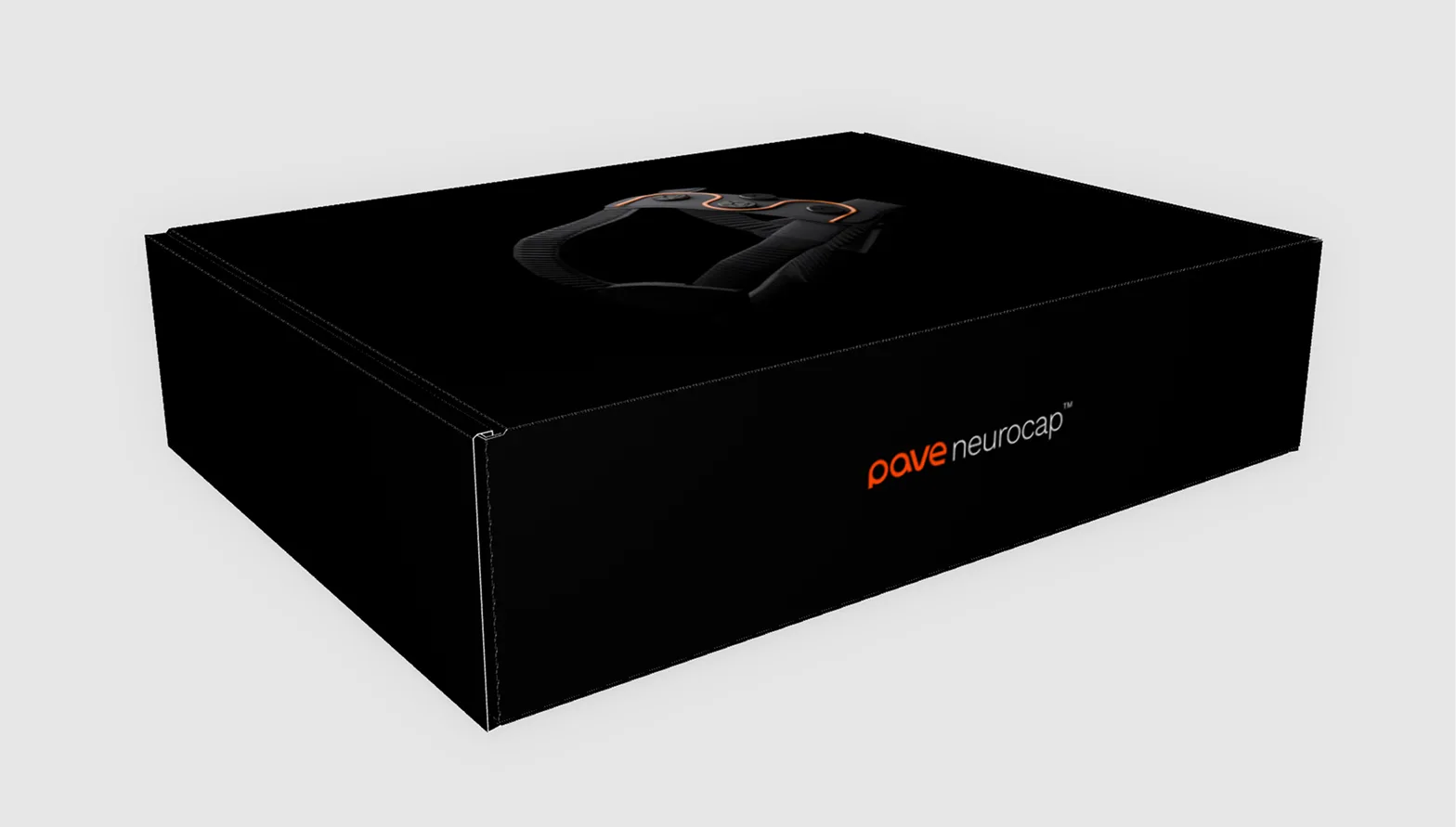
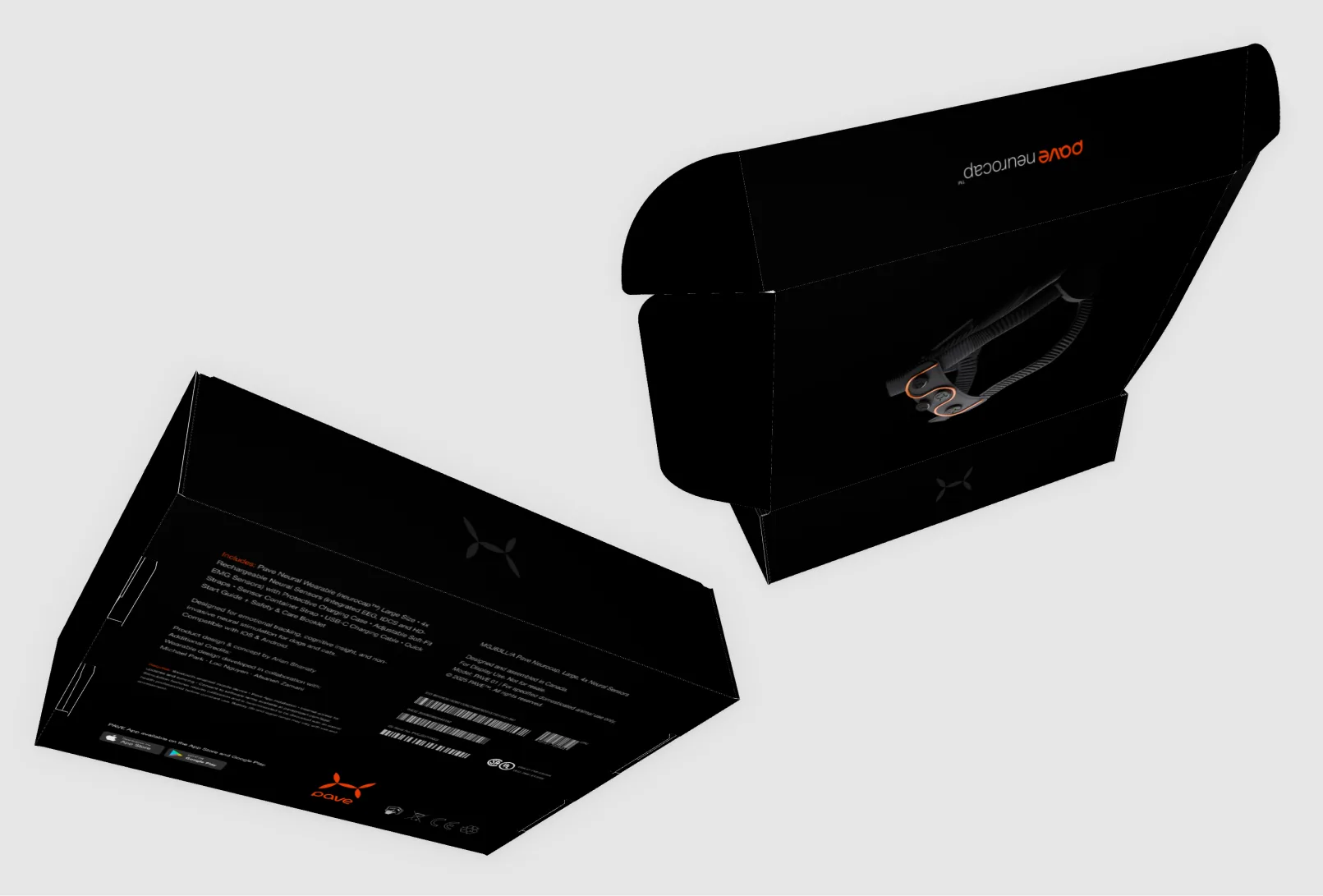
Packaging
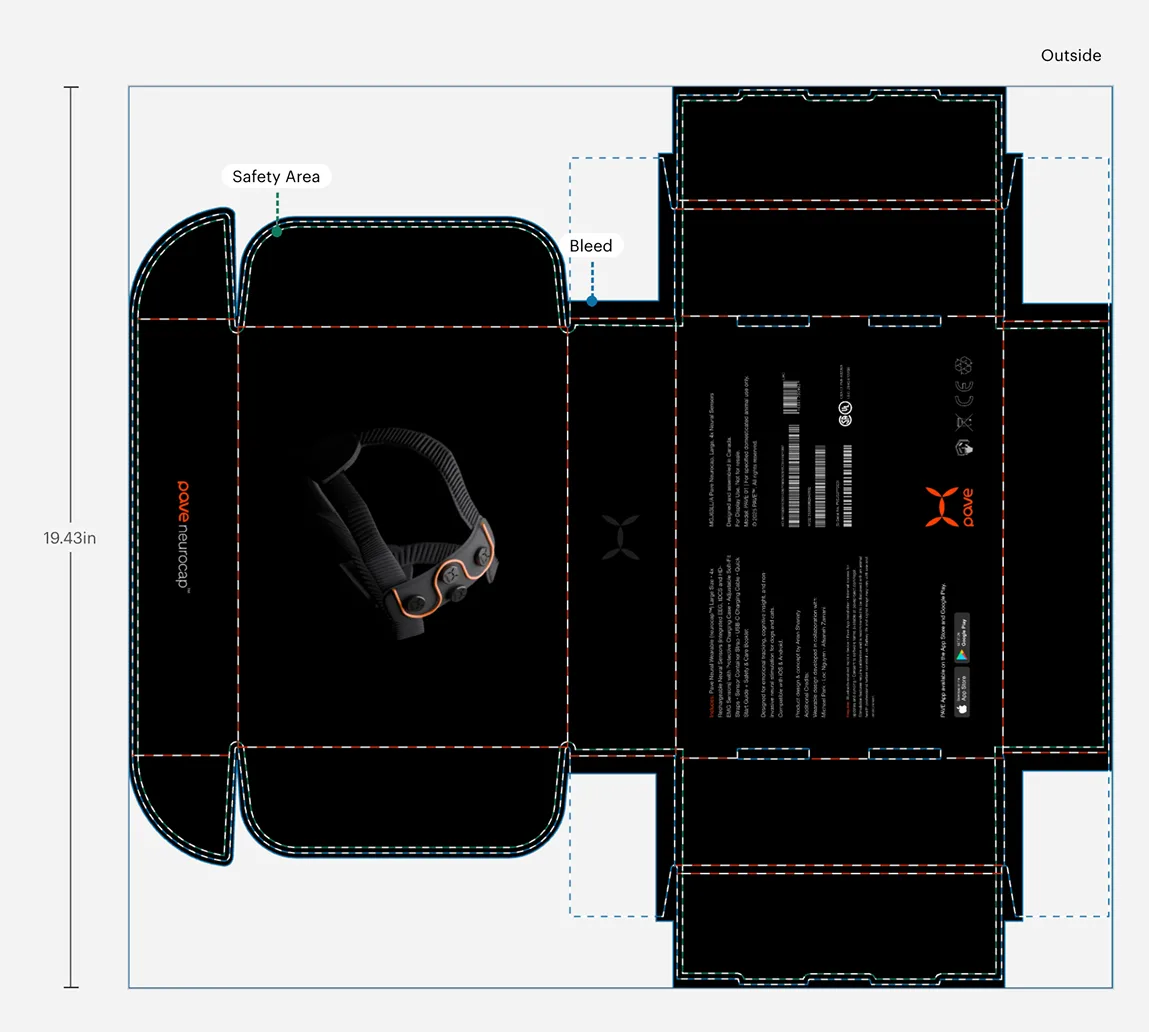
Pave was designed as a complete product ecosystem, extending beyond the wearable itself into packaging, onboarding, charging, and user education.
From Thesis to Recognition
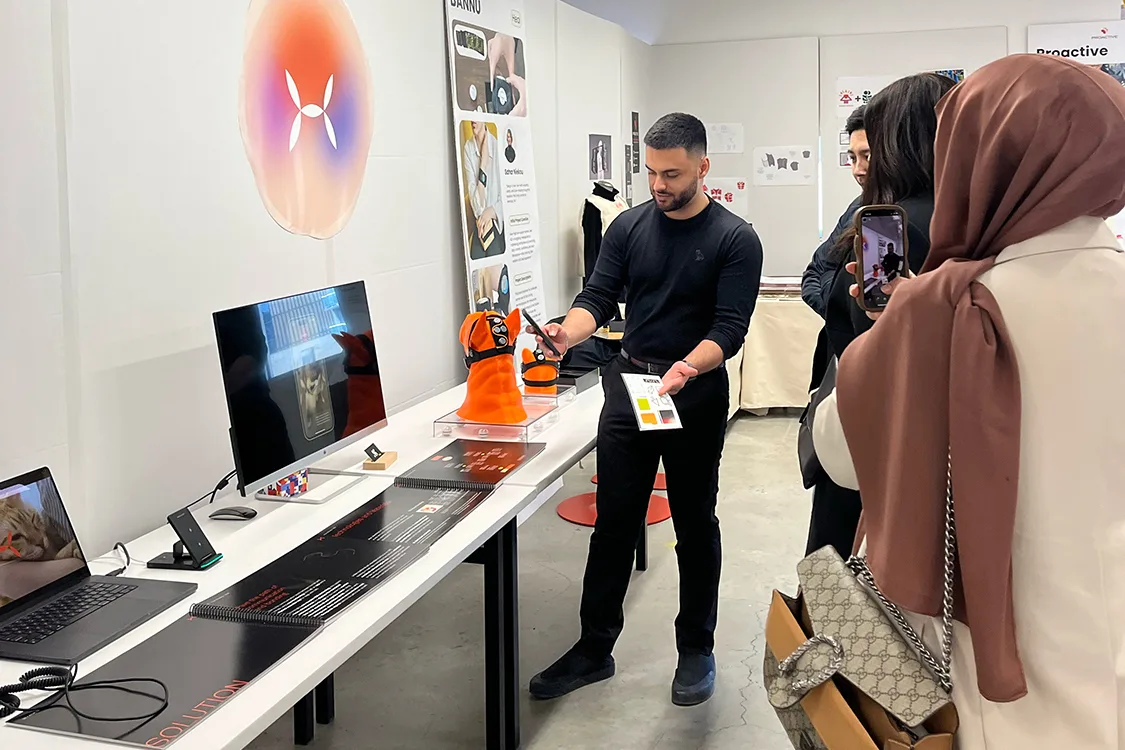
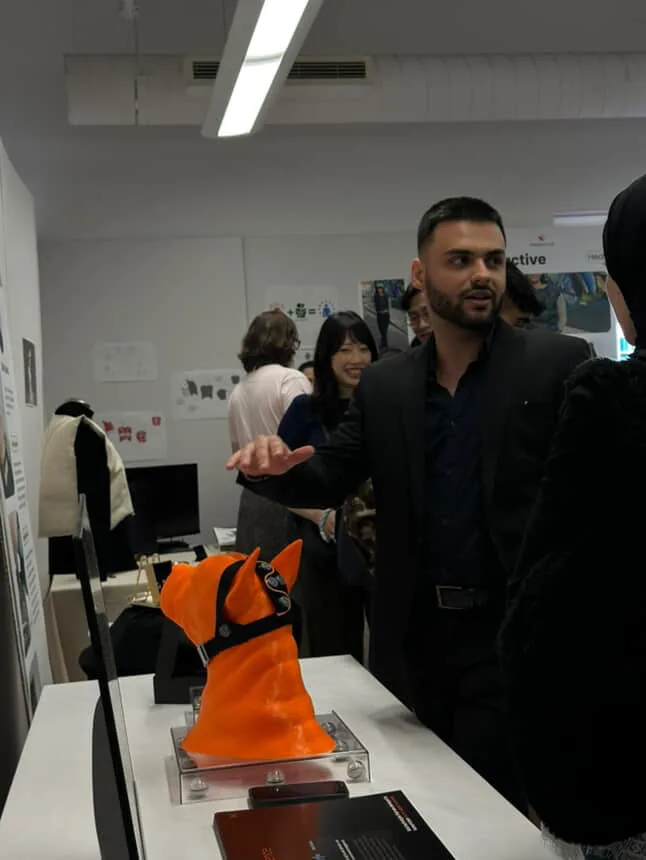
Pave was presented beyond the studio as part of OCAD University’s GradEx and received recognition across Canadian and international design communities.
The project was selected as an IDSA Canadian Winner and International Nominee, nominated for the ACIDO Rocket Awards, and exhibited at GradEx as part of OCAD University’s graduating showcase.
- IDSACanadian Winner
- IDSAInternational Nominee
- ACIDORocket Awards Nominee
- OCAD UExhibited at GradEx